
 en
en Contact Us

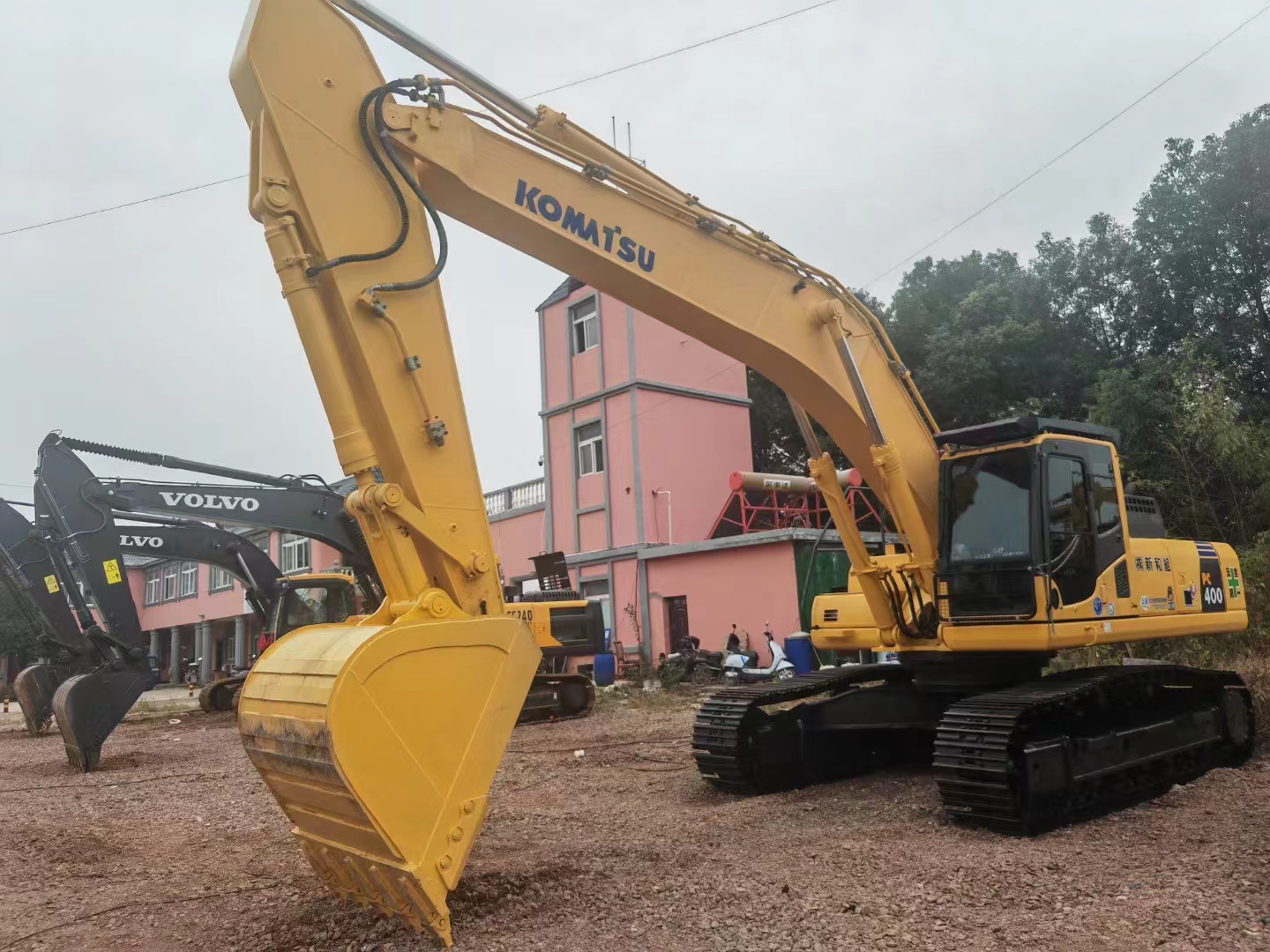
Used Excavator
At Nesse Machinery Trading Co., Ltd., we are committed to empowering global construction with the finest used excavators from premier Chinese brands like XCMG and SANY. As an industry leader in the export of quality pre-owned machinery, we pride ourselves on offering a meticulously curated inventory that meets the rigorous demands of contractors worldwide. Our portfolio prominently features a variety of used excavators, including sought-after models such as the Used CAT Excavator 2022 CAT 320D2 and the Used SANY Excavator 2022 SANY SY365H.
Each machine in our collection undergoes stringent inspection and refurbishment processes to ensure it meets our high standards for reliability and performance. This dedication to quality ensures that whether you're acquiring a Used Caterpillar Excavator or another trusted brand, you are investing in equipment that will deliver exceptional value and efficiency on your job sites.
At Nesse Machinery, we understand the complexities of international trade. Our streamlined logistics, hassle-free customs clearance, and comprehensive after-sales support are designed to provide a seamless experience from inquiry to delivery. Our multilingual team is on standby to assist you at every stage, ensuring your complete satisfaction.
Choose Nesse Machinery for your used XCMG and SANY excavator needs, and join a global network that prioritizes quality, efficiency, and the success of your projects. Together, let’s build a stronger, more connected world through innovative machinery solutions.
Each machine in our collection undergoes stringent inspection and refurbishment processes to ensure it meets our high standards for reliability and performance. This dedication to quality ensures that whether you're acquiring a Used Caterpillar Excavator or another trusted brand, you are investing in equipment that will deliver exceptional value and efficiency on your job sites.
At Nesse Machinery, we understand the complexities of international trade. Our streamlined logistics, hassle-free customs clearance, and comprehensive after-sales support are designed to provide a seamless experience from inquiry to delivery. Our multilingual team is on standby to assist you at every stage, ensuring your complete satisfaction.
Choose Nesse Machinery for your used XCMG and SANY excavator needs, and join a global network that prioritizes quality, efficiency, and the success of your projects. Together, let’s build a stronger, more connected world through innovative machinery solutions.

The Frequent FAQs of Excavator
What is the life expectancy of an excavator?▾
Understanding the life expectancy of an excavator is pivotal for anyone in the construction or contracting business. Excavators are indispensable machines for various operations, including earthmoving, debris removal, and demolition. Their ability to dig below the ground and scoop materials like sand, gravel, mulch, and broken concrete makes them a staple in many industries. In general, the life expectancy of an excavator ranges between 7,000 to 10,000 hours, depending on multiple factors, including usage, operating conditions, and the level of maintenance performed.
Operating Conditions
Excavators are designed to perform in challenging conditions such as uneven, rocky, and damp terrains. These environments can put a lot of stress on the equipment, especially on the undercarriage and tracks, which are critical components for maintaining balance and mobility. Continuous exposure to such harsh conditions can accelerate wear and tear, necessitating more frequent repairs and replacements sooner than expected.
Maintenance Practices
The life expectancy of an excavator can be significantly extended with diligent maintenance practices. Regularly removing dirt buildups and inspecting the machine for signs of wear or damage can prevent minor issues from escalating into major problems that disrupt functionality. Preventive measures, such as oil analysis tests, help monitor the health of the engine and other vital components, ensuring the machine operates efficiently and safely.
Track and Undercarriage Care
Special attention should be given to the tracks and undercarriage—areas prone to significant wear. Regular inspections for early signs of damage or abnormal wear can preempt more extensive repairs. Maintaining the proper tension of the tracks and ensuring they are free from debris are simple but effective practices to prolong the life of these critical parts.
Avoid Overloading and Pushing Limits
Operators should avoid pushing the excavator beyond its recommended limits. Overloading the bucket or operating the machine at excessive speeds can lead to premature wear and tear. Following manufacturer guidelines for operating conditions can greatly enhance the life expectancy of the equipment.
Professional Operator Training
Proper training of operators is another crucial factor in extending the life of an excavator. Skilled operators are more likely to use the machine within its operational limits, reducing unnecessary stress on the equipment. Training programs can also educate operators on best practices for maintenance and daily inspections, ensuring the excavator remains in optimal working condition.
Used Cat excavators are renowned for their durability and performance. However, like all machinery, they require consistent maintenance to achieve their full life expectancy. With an anticipated service life of 7,000 to 10,000 hours, Used Cat Excavators can be an excellent investment for your fleet, provided they are maintained according to recommended guidelines. Regular inspections, timely repairs, and adherence to operational best practices can help you maximize the utility and longevity of these machines.
In conclusion, the life expectancy of an excavator is influenced by various factors, predominantly operating conditions and maintenance routines. By focusing on preventive maintenance, avoiding overloading, and ensuring professional operator training, you can significantly extend the operational life of your excavator. A well-maintained Used Cat Excavator can serve your business for years, offering reliability and efficiency in your construction projects. Whether dealing with new or used equipment, understanding these life span dynamics allows for more informed decisions, ensuring sustained productivity and cost-efficiency.
● Factors Affecting Excavator Longevity
Operating Conditions
Excavators are designed to perform in challenging conditions such as uneven, rocky, and damp terrains. These environments can put a lot of stress on the equipment, especially on the undercarriage and tracks, which are critical components for maintaining balance and mobility. Continuous exposure to such harsh conditions can accelerate wear and tear, necessitating more frequent repairs and replacements sooner than expected.
Maintenance Practices
The life expectancy of an excavator can be significantly extended with diligent maintenance practices. Regularly removing dirt buildups and inspecting the machine for signs of wear or damage can prevent minor issues from escalating into major problems that disrupt functionality. Preventive measures, such as oil analysis tests, help monitor the health of the engine and other vital components, ensuring the machine operates efficiently and safely.
● Maximizing the Life of Your Used Cat Excavator
Track and Undercarriage Care
Special attention should be given to the tracks and undercarriage—areas prone to significant wear. Regular inspections for early signs of damage or abnormal wear can preempt more extensive repairs. Maintaining the proper tension of the tracks and ensuring they are free from debris are simple but effective practices to prolong the life of these critical parts.
Avoid Overloading and Pushing Limits
Operators should avoid pushing the excavator beyond its recommended limits. Overloading the bucket or operating the machine at excessive speeds can lead to premature wear and tear. Following manufacturer guidelines for operating conditions can greatly enhance the life expectancy of the equipment.
Professional Operator Training
Proper training of operators is another crucial factor in extending the life of an excavator. Skilled operators are more likely to use the machine within its operational limits, reducing unnecessary stress on the equipment. Training programs can also educate operators on best practices for maintenance and daily inspections, ensuring the excavator remains in optimal working condition.
● Real-World Example: Used Cat Excavators
Used Cat excavators are renowned for their durability and performance. However, like all machinery, they require consistent maintenance to achieve their full life expectancy. With an anticipated service life of 7,000 to 10,000 hours, Used Cat Excavators can be an excellent investment for your fleet, provided they are maintained according to recommended guidelines. Regular inspections, timely repairs, and adherence to operational best practices can help you maximize the utility and longevity of these machines.
● Conclusion
In conclusion, the life expectancy of an excavator is influenced by various factors, predominantly operating conditions and maintenance routines. By focusing on preventive maintenance, avoiding overloading, and ensuring professional operator training, you can significantly extend the operational life of your excavator. A well-maintained Used Cat Excavator can serve your business for years, offering reliability and efficiency in your construction projects. Whether dealing with new or used equipment, understanding these life span dynamics allows for more informed decisions, ensuring sustained productivity and cost-efficiency.
How to find the value of an excavator?▾
Finding the value of an excavator is a multifaceted process that involves several key considerations. Whether you are purchasing a machine for the first time or looking to sell one, understanding the various factors that influence an excavator's worth is vital. This article aims to provide a comprehensive guide on assessing the value of an excavator.
One of the primary aspects that affect an excavator's value is its age and the number of hours it has been used. Generally, the older the machine and the higher its usage, the lower its value. However, this is not an absolute rule, as older machines that have been meticulously maintained can sometimes command higher prices than newer ones that have been neglected.
The condition of the excavator is paramount. A thorough inspection should be conducted to assess the machine's physical state, including the condition of the tracks, engine, hydraulic systems, and attachments. Additionally, a well-documented maintenance history is crucial. Machines that have received regular servicing and timely repairs are typically more valuable. It is advisable to request maintenance logs and any records of past repairs from the Used Excavator Manufacturer for a more accurate assessment.
The current market demand for excavators significantly influences their value. Market trends can fluctuate based on economic conditions, industry growth, and technological advancements. Keeping an eye on these trends and understanding how they impact supply and demand can provide valuable insights into the machine's worth.
While the article cannot mention specific brands, it is important to note that some manufacturers have a reputation for producing reliable and durable machines. The brand and model of the excavator can play a significant role in determining its value. Machines from reputable manufacturers are often more sought after and can command higher prices. Researching online reviews and seeking expert opinions can help ascertain the reliability and performance of a particular model.
Modern excavators come equipped with various technological features that enhance their efficiency and ease of use. Features such as GPS, advanced hydraulics, and automated systems can add significant value to the machine. Understanding the technological advancements in the excavator you are assessing can provide a better perspective on its overall worth.
One of the most reliable methods for determining the value of an excavator is to hire a professional appraiser. These experts have the knowledge and experience to conduct a thorough evaluation and provide an accurate estimate based on the machine's condition, market trends, and other relevant factors.
There are several online tools available that can provide instant estimates for used excavators. These tools typically require information such as the machine's age, usage, and condition. While these tools can offer a quick reference, they should be used in conjunction with other evaluation methods for a more accurate assessment.
Conducting a comparative market analysis involves researching similar excavators currently available in the market. By comparing the prices of machines with similar specifications, you can gain a better understanding of the fair market value. Websites that specialize in buying and selling used construction equipment can be valuable resources for this type of analysis.
Accurately determining the value of an excavator requires a holistic approach that considers age, condition, market demand, brand reputation, and technological features. Utilizing a combination of professional appraisals, online tools, and comparative market analysis can provide a comprehensive understanding of the machine's worth. For those looking to buy or sell, partnering with a reputable Used Excavator Manufacturer can further enhance the accuracy of the valuation process, ensuring that you make informed and financially sound decisions.
Factors Influencing Excavator Value
● Age and Usage
One of the primary aspects that affect an excavator's value is its age and the number of hours it has been used. Generally, the older the machine and the higher its usage, the lower its value. However, this is not an absolute rule, as older machines that have been meticulously maintained can sometimes command higher prices than newer ones that have been neglected.
● Condition and Maintenance History
The condition of the excavator is paramount. A thorough inspection should be conducted to assess the machine's physical state, including the condition of the tracks, engine, hydraulic systems, and attachments. Additionally, a well-documented maintenance history is crucial. Machines that have received regular servicing and timely repairs are typically more valuable. It is advisable to request maintenance logs and any records of past repairs from the Used Excavator Manufacturer for a more accurate assessment.
● Market Demand
The current market demand for excavators significantly influences their value. Market trends can fluctuate based on economic conditions, industry growth, and technological advancements. Keeping an eye on these trends and understanding how they impact supply and demand can provide valuable insights into the machine's worth.
● Brand and Model
While the article cannot mention specific brands, it is important to note that some manufacturers have a reputation for producing reliable and durable machines. The brand and model of the excavator can play a significant role in determining its value. Machines from reputable manufacturers are often more sought after and can command higher prices. Researching online reviews and seeking expert opinions can help ascertain the reliability and performance of a particular model.
● Technological Features
Modern excavators come equipped with various technological features that enhance their efficiency and ease of use. Features such as GPS, advanced hydraulics, and automated systems can add significant value to the machine. Understanding the technological advancements in the excavator you are assessing can provide a better perspective on its overall worth.
Evaluation Methods
● Professional Appraisal
One of the most reliable methods for determining the value of an excavator is to hire a professional appraiser. These experts have the knowledge and experience to conduct a thorough evaluation and provide an accurate estimate based on the machine's condition, market trends, and other relevant factors.
● Online Valuation Tools
There are several online tools available that can provide instant estimates for used excavators. These tools typically require information such as the machine's age, usage, and condition. While these tools can offer a quick reference, they should be used in conjunction with other evaluation methods for a more accurate assessment.
● Comparative Market Analysis
Conducting a comparative market analysis involves researching similar excavators currently available in the market. By comparing the prices of machines with similar specifications, you can gain a better understanding of the fair market value. Websites that specialize in buying and selling used construction equipment can be valuable resources for this type of analysis.
Conclusion
Accurately determining the value of an excavator requires a holistic approach that considers age, condition, market demand, brand reputation, and technological features. Utilizing a combination of professional appraisals, online tools, and comparative market analysis can provide a comprehensive understanding of the machine's worth. For those looking to buy or sell, partnering with a reputable Used Excavator Manufacturer can further enhance the accuracy of the valuation process, ensuring that you make informed and financially sound decisions.
What is considered high hours on equipment?▾
In the realm of heavy machinery and industrial equipment, understanding what constitutes "high hours" on equipment is paramount for making informed procurement and operational decisions. "High hours" refer to the accumulated operational time of a machine, typically measured in hours. This metric serves as a vital indicator of the machine's lifespan, reliability, and overall performance.
High hours on equipment are largely contingent on the type of machinery being evaluated. For instance, an excavator might be considered high-hour if it exceeds 10,000 to 15,000 operational hours. In contrast, other types of equipment such as tractors or forklifts may have different benchmarks due to their distinct engineering and usage patterns. It is essential to recognize that these numbers are not absolute and can vary based on the equipment's make, model, maintenance history, and operational environment.
Several factors influence what is deemed high hours on a piece of equipment. The foremost among these is the quality of maintenance. Routine and preventive maintenance can significantly extend the life of machinery, allowing it to exceed standard high-hour thresholds. Conversely, neglecting regular maintenance can drastically reduce a machine's effective lifespan. Operational conditions also play a critical role; equipment used in harsh, demanding environments may experience accelerated wear and tear, thus reaching high-hour status sooner than those used in milder conditions.
When evaluating used machinery, particularly from reputable sources like a Used Excavator Manufacturer, the maintenance history becomes a critical consideration. Equipment that has been well-maintained and has complete service records might still perform efficiently even if it has logged high hours. In fact, a comprehensive maintenance history can sometimes be more relevant than the sheer number of operational hours. Potential buyers and users should prioritize equipment with a documented history of regular servicing and repairs over less-documented counterparts.
High hours can impact a machine's operational efficiency. As equipment ages and accumulates hours, the risk of mechanical failures and reduced productivity increases. This can lead to higher operational costs due to increased downtime and repair needs. Therefore, assessing high-hour equipment requires a delicate balance of evaluating current performance against potential future costs. Depreciation also plays a part; machinery with high hours typically has a lower resale value, which is an essential factor for businesses considering long-term financial implications.
For businesses, the decision to invest in high-hour equipment must be well-grounded in a thorough analysis of its current condition, anticipated future performance, and overall cost-effectiveness. Collaborating with reputable suppliers, like a Used Excavator Manufacturer, can provide invaluable insights and access to high-quality used machinery. These suppliers often offer detailed evaluations and refurbishments, ensuring that even high-hour equipment can meet operational demands efficiently.
In conclusion, understanding what constitutes high hours on equipment involves a multifaceted approach, taking into account the type of machinery, maintenance history, operational conditions, and overall performance. High hours do not necessarily equate to low value, especially if the equipment has been meticulously maintained and is sourced from reliable manufacturers. By carefully considering these factors, businesses can make informed decisions that balance operational needs with financial prudence, ensuring sustained productivity and cost-efficiency.
● Defining High Hours
High hours on equipment are largely contingent on the type of machinery being evaluated. For instance, an excavator might be considered high-hour if it exceeds 10,000 to 15,000 operational hours. In contrast, other types of equipment such as tractors or forklifts may have different benchmarks due to their distinct engineering and usage patterns. It is essential to recognize that these numbers are not absolute and can vary based on the equipment's make, model, maintenance history, and operational environment.
● Factors Influencing Equipment Longevity
Several factors influence what is deemed high hours on a piece of equipment. The foremost among these is the quality of maintenance. Routine and preventive maintenance can significantly extend the life of machinery, allowing it to exceed standard high-hour thresholds. Conversely, neglecting regular maintenance can drastically reduce a machine's effective lifespan. Operational conditions also play a critical role; equipment used in harsh, demanding environments may experience accelerated wear and tear, thus reaching high-hour status sooner than those used in milder conditions.
● Importance of Maintenance History
When evaluating used machinery, particularly from reputable sources like a Used Excavator Manufacturer, the maintenance history becomes a critical consideration. Equipment that has been well-maintained and has complete service records might still perform efficiently even if it has logged high hours. In fact, a comprehensive maintenance history can sometimes be more relevant than the sheer number of operational hours. Potential buyers and users should prioritize equipment with a documented history of regular servicing and repairs over less-documented counterparts.
● Operational Efficiency and Depreciation
High hours can impact a machine's operational efficiency. As equipment ages and accumulates hours, the risk of mechanical failures and reduced productivity increases. This can lead to higher operational costs due to increased downtime and repair needs. Therefore, assessing high-hour equipment requires a delicate balance of evaluating current performance against potential future costs. Depreciation also plays a part; machinery with high hours typically has a lower resale value, which is an essential factor for businesses considering long-term financial implications.
● Making Informed Decisions
For businesses, the decision to invest in high-hour equipment must be well-grounded in a thorough analysis of its current condition, anticipated future performance, and overall cost-effectiveness. Collaborating with reputable suppliers, like a Used Excavator Manufacturer, can provide invaluable insights and access to high-quality used machinery. These suppliers often offer detailed evaluations and refurbishments, ensuring that even high-hour equipment can meet operational demands efficiently.
● Conclusion
In conclusion, understanding what constitutes high hours on equipment involves a multifaceted approach, taking into account the type of machinery, maintenance history, operational conditions, and overall performance. High hours do not necessarily equate to low value, especially if the equipment has been meticulously maintained and is sourced from reliable manufacturers. By carefully considering these factors, businesses can make informed decisions that balance operational needs with financial prudence, ensuring sustained productivity and cost-efficiency.

