
 en
en Contact Us

Used Loader
At Used XCMG & SANY, we are dedicated to empowering global construction projects with our high-quality Used Loaders. Nestled at the forefront of the global used machinery market, we specialize in offering premium Used Wheeled Loaders that are thoroughly inspected and refurbished to ensure they meet the highest standards of performance and reliability.
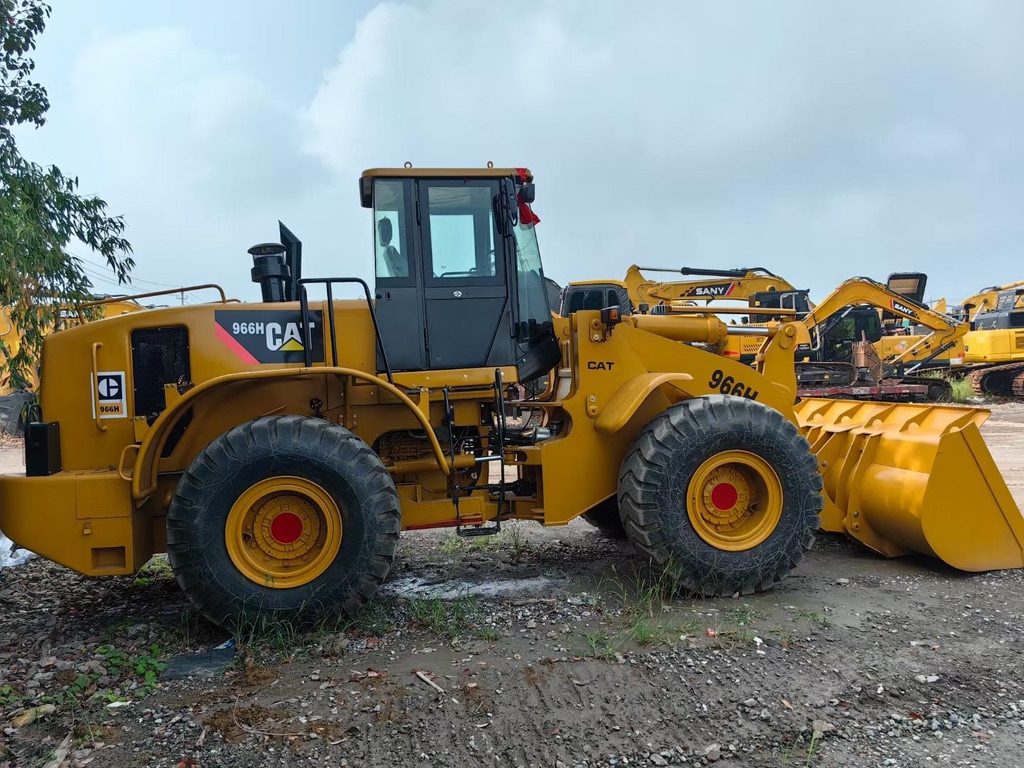
Our comprehensive inventory includes leading models from industry giants XCMG and SANY, both synonymous with durability and innovation. Whether you are a seasoned contractor or a burgeoning start-up, our loaders, such as the 2022 CAT 966H, are meticulously sourced to provide exceptional value and efficiency. Each Payloader For Sale undergoes rigorous quality checks to deliver peak productivity, ensuring your projects run seamlessly.
Understanding the complexities of international trade, we simplify the process with streamlined logistics, hassle-free customs clearance, and robust after-sales support. Our multilingual team is always ready to assist, ensuring a smooth and professional transaction experience from inquiry to delivery.
Choose Used XCMG & SANY for reliable and cost-effective used loader solutions. Join a global network that prioritizes quality, efficiency, and customer satisfaction. Together, let's drive progress and build a more connected world through the power of top-tier used construction machinery.
Our comprehensive inventory includes leading models from industry giants XCMG and SANY, both synonymous with durability and innovation. Whether you are a seasoned contractor or a burgeoning start-up, our loaders, such as the 2022 CAT 966H, are meticulously sourced to provide exceptional value and efficiency. Each Payloader For Sale undergoes rigorous quality checks to deliver peak productivity, ensuring your projects run seamlessly.
Understanding the complexities of international trade, we simplify the process with streamlined logistics, hassle-free customs clearance, and robust after-sales support. Our multilingual team is always ready to assist, ensuring a smooth and professional transaction experience from inquiry to delivery.
Choose Used XCMG & SANY for reliable and cost-effective used loader solutions. Join a global network that prioritizes quality, efficiency, and customer satisfaction. Together, let's drive progress and build a more connected world through the power of top-tier used construction machinery.

The Frequent FAQs of Loader
What is the difference between a wheel loader and a loader?▾
When exploring the realm of heavy machinery, understanding the distinctions between different types of loaders is crucial for selecting the right equipment for specific tasks. A common point of confusion lies between wheel loaders and loaders, terms often used interchangeably, yet they denote different machinery with distinct features and applications. This article delves into the nuances that set wheel loaders apart from other loader types, elucidating their functionalities and advantages.
A wheel loader, as the name implies, is a type of loader that uses wheels rather than tracks. These machines are renowned for their versatility and efficiency on firm, stable surfaces such as asphalt or concrete. One of the primary benefits of a wheel loader is its mobility. The pneumatic tires offer better speed and maneuverability compared to track-based loaders, making them ideal for tasks requiring frequent relocation over large areas.
Wheel loaders are frequently employed in construction, agriculture, and mining due to their ability to handle various materials such as gravel, sand, and soil. They are equipped with a front-mounted bucket, which can be replaced with other attachments like forks or grapples, enhancing their versatility. The articulation in the middle of the vehicle allows for a smaller turning radius, an essential feature when operating in confined spaces.
Moreover, wheel loaders are designed for comfort and productivity. The operator’s cabin is typically equipped with advanced ergonomics, providing an improved working environment that reduces operator fatigue and boosts productivity. These machines can also handle a range of load capacities, from compact models used for light-duty tasks to large machines capable of handling massive payloads.
A significant aspect of wheel loaders is their maintenance and operational costs. Due to the tires, wheel loaders often have lower maintenance needs and costs compared to their tracked counterparts. The utilization of rubber tires also reduces wear and tear on paved surfaces, making them more economical in urban settings.
The term "loader" is a broad classification encompassing various types of machines designed to load materials. Unlike wheel loaders, loaders can come in different configurations, including skid steer loaders, track loaders, and backhoe loaders, each tailored for specific tasks and conditions.
Skid steer loaders are compact, versatile machines that can pivot 360 degrees. They are typically used in construction and landscaping due to their ability to operate in tight spaces. Their tracks or wheels allow them to maneuver on rough terrain, although their smaller size limits their load capacity compared to wheel loaders.
Track loaders, as the name suggests, use tracks instead of wheels. These machines excel in environments where traction and stability are paramount, such as muddy or uneven terrain. The tracks distribute the machine's weight over a larger area, reducing ground pressure and enabling them to work in softer soil conditions. However, their lower speed and higher fuel consumption can be a disadvantage in certain scenarios.
Backhoe loaders combine the functionalities of a loader and an excavator, featuring a front-mounted bucket and a rear-mounted backhoe. This dual capability makes them exceptionally versatile for a range of tasks, including digging, trenching, and loading. However, this versatility comes at the cost of specialized efficiency, as they may not perform specific tasks as effectively as dedicated machines like wheel loaders.
Selecting the appropriate loader hinges on the specific requirements of the task at hand. For operations requiring high mobility, efficiency, and versatility on stable surfaces, a used wheeled loader can often be a cost-effective and reliable choice. Their lower maintenance costs and ability to handle a variety of materials make them an asset in many industrial applications.
In contrast, jobs demanding high traction and stability in challenging terrains might be better suited for track loaders or skid steer loaders. Meanwhile, the multifunctionality of backhoe loaders makes them ideal for diverse tasks requiring both digging and loading capabilities but may not match the specialized efficiency of a wheel loader in material handling.
In conclusion, while both wheel loaders and general loaders serve the fundamental purpose of loading materials, their specific features and applications vary significantly. Understanding these distinctions ensures that the selected machinery aligns perfectly with the operational needs, maximizing productivity and efficiency.
Wheel Loader: Definition and Features
A wheel loader, as the name implies, is a type of loader that uses wheels rather than tracks. These machines are renowned for their versatility and efficiency on firm, stable surfaces such as asphalt or concrete. One of the primary benefits of a wheel loader is its mobility. The pneumatic tires offer better speed and maneuverability compared to track-based loaders, making them ideal for tasks requiring frequent relocation over large areas.
Wheel loaders are frequently employed in construction, agriculture, and mining due to their ability to handle various materials such as gravel, sand, and soil. They are equipped with a front-mounted bucket, which can be replaced with other attachments like forks or grapples, enhancing their versatility. The articulation in the middle of the vehicle allows for a smaller turning radius, an essential feature when operating in confined spaces.
Moreover, wheel loaders are designed for comfort and productivity. The operator’s cabin is typically equipped with advanced ergonomics, providing an improved working environment that reduces operator fatigue and boosts productivity. These machines can also handle a range of load capacities, from compact models used for light-duty tasks to large machines capable of handling massive payloads.
A significant aspect of wheel loaders is their maintenance and operational costs. Due to the tires, wheel loaders often have lower maintenance needs and costs compared to their tracked counterparts. The utilization of rubber tires also reduces wear and tear on paved surfaces, making them more economical in urban settings.
General Loader: Definition and Types
The term "loader" is a broad classification encompassing various types of machines designed to load materials. Unlike wheel loaders, loaders can come in different configurations, including skid steer loaders, track loaders, and backhoe loaders, each tailored for specific tasks and conditions.
● Skid Steer Loaders
Skid steer loaders are compact, versatile machines that can pivot 360 degrees. They are typically used in construction and landscaping due to their ability to operate in tight spaces. Their tracks or wheels allow them to maneuver on rough terrain, although their smaller size limits their load capacity compared to wheel loaders.
● Track Loaders
Track loaders, as the name suggests, use tracks instead of wheels. These machines excel in environments where traction and stability are paramount, such as muddy or uneven terrain. The tracks distribute the machine's weight over a larger area, reducing ground pressure and enabling them to work in softer soil conditions. However, their lower speed and higher fuel consumption can be a disadvantage in certain scenarios.
● Backhoe Loaders
Backhoe loaders combine the functionalities of a loader and an excavator, featuring a front-mounted bucket and a rear-mounted backhoe. This dual capability makes them exceptionally versatile for a range of tasks, including digging, trenching, and loading. However, this versatility comes at the cost of specialized efficiency, as they may not perform specific tasks as effectively as dedicated machines like wheel loaders.
Choosing the Right Loader
Selecting the appropriate loader hinges on the specific requirements of the task at hand. For operations requiring high mobility, efficiency, and versatility on stable surfaces, a used wheeled loader can often be a cost-effective and reliable choice. Their lower maintenance costs and ability to handle a variety of materials make them an asset in many industrial applications.
In contrast, jobs demanding high traction and stability in challenging terrains might be better suited for track loaders or skid steer loaders. Meanwhile, the multifunctionality of backhoe loaders makes them ideal for diverse tasks requiring both digging and loading capabilities but may not match the specialized efficiency of a wheel loader in material handling.
In conclusion, while both wheel loaders and general loaders serve the fundamental purpose of loading materials, their specific features and applications vary significantly. Understanding these distinctions ensures that the selected machinery aligns perfectly with the operational needs, maximizing productivity and efficiency.
What is the life expectancy of a loader?▾
Understanding the life expectancy of a loader is crucial for businesses that rely on such heavy machinery for their operations. Loaders are indispensable in sectors like construction, mining, and material handling, where efficiency and reliability are paramount. The lifespan of a loader is determined by a myriad of factors, including usage patterns, maintenance routines, and operational environments. This demands a comprehensive evaluation to optimize the investment in loaders, ensuring they deliver maximum performance throughout their service life.
Factors Influencing Loader Life Expectancy
A loader’s life expectancy is often gauged in hours of operation rather than calendar years, given the varying intensity of usage. In general, loaders are expected to have a lifespan ranging from 7,000 to 12,000 hours of operation under normal conditions. However, this range can be significantly impacted by several critical factors:
1. Usage Intensity and Application : The type and intensity of the work performed with the loader play a significant role in determining its longevity. Loaders used in high-intensity applications such as heavy mining or continuous excavation will experience more wear and tear compared to those used for lighter tasks like agricultural work or material handling in warehouses.
2. Maintenance and Upkeep : Regular and thorough maintenance is paramount to extending the life of a loader. This involves routine inspections, timely servicing, and prompt replacement of worn-out parts. Neglecting maintenance can lead to accelerated degradation of critical components, thus reducing the overall lifespan of the machine.
3. Operational Environment : The conditions in which a loader operates also affect its longevity. Harsh environments characterized by extreme temperatures, corrosive materials, or abrasive conditions can lead to quicker deterioration. Protective measures, including appropriate lubrication, shielding, and operating practices, are essential to mitigate these effects.
4. Operator Skill and Training : The proficiency of the operators handling the loader significantly influences its lifespan. Skilled operators who follow best practices and operate the machinery within its specified limits are less likely to cause undue stress and damage, thereby prolonging the loader’s operational life.
Enhancing Loader Longevity
To maximize the lifespan of a loader, businesses should implement strategic measures that encompass both preventive and corrective actions. By adopting a proactive approach, they can ensure that their loaders remain functional and efficient over extended periods. Here are some vital steps to consider:
1. Scheduled Maintenance : Establishing a regular maintenance schedule helps in early detection and correction of potential issues. This includes regular oil changes, filter replacements, and inspection of hydraulic systems and other critical components.
2. Training and Certification : Investing in comprehensive training programs for operators ensures that they are well-versed in optimal operating procedures and safety measures. Certified operators are more likely to handle the machinery responsibly, reducing the risk of damage.
3. Usage Monitoring : Implementing monitoring systems to track the usage patterns and performance of loaders can provide valuable insights. Data-driven decisions based on usage analytics can help in scheduling maintenance and predicting component replacements before failures occur.
4. Quality Spare Parts : Using high-quality, compatible spare parts for repairs and replacements can significantly enhance the durability of a loader. Inferior parts may not only fail prematurely but also cause additional damage to other components.
For businesses in search of reliable and durable machinery, considering the availability of Payloader For Sale can be a prudent choice. Payloader models are known for their robust construction and advanced features that cater to diverse operational needs. Investing in such reputable equipment can provide long-term benefits and reduce the total cost of ownership.
Conclusion
In conclusion, the life expectancy of a loader is a multifaceted aspect influenced by various operational and maintenance factors. By understanding these determinants and implementing best practices, businesses can ensure their loaders achieve a prolonged and productive lifespan. Regular maintenance, skilled operation, and strategic investments in quality loaders such as Payloader For Sale are key to optimizing the utility and return on investment of these indispensable machines.
Factors Influencing Loader Life Expectancy
A loader’s life expectancy is often gauged in hours of operation rather than calendar years, given the varying intensity of usage. In general, loaders are expected to have a lifespan ranging from 7,000 to 12,000 hours of operation under normal conditions. However, this range can be significantly impacted by several critical factors:
1. Usage Intensity and Application : The type and intensity of the work performed with the loader play a significant role in determining its longevity. Loaders used in high-intensity applications such as heavy mining or continuous excavation will experience more wear and tear compared to those used for lighter tasks like agricultural work or material handling in warehouses.
2. Maintenance and Upkeep : Regular and thorough maintenance is paramount to extending the life of a loader. This involves routine inspections, timely servicing, and prompt replacement of worn-out parts. Neglecting maintenance can lead to accelerated degradation of critical components, thus reducing the overall lifespan of the machine.
3. Operational Environment : The conditions in which a loader operates also affect its longevity. Harsh environments characterized by extreme temperatures, corrosive materials, or abrasive conditions can lead to quicker deterioration. Protective measures, including appropriate lubrication, shielding, and operating practices, are essential to mitigate these effects.
4. Operator Skill and Training : The proficiency of the operators handling the loader significantly influences its lifespan. Skilled operators who follow best practices and operate the machinery within its specified limits are less likely to cause undue stress and damage, thereby prolonging the loader’s operational life.
Enhancing Loader Longevity
To maximize the lifespan of a loader, businesses should implement strategic measures that encompass both preventive and corrective actions. By adopting a proactive approach, they can ensure that their loaders remain functional and efficient over extended periods. Here are some vital steps to consider:
1. Scheduled Maintenance : Establishing a regular maintenance schedule helps in early detection and correction of potential issues. This includes regular oil changes, filter replacements, and inspection of hydraulic systems and other critical components.
2. Training and Certification : Investing in comprehensive training programs for operators ensures that they are well-versed in optimal operating procedures and safety measures. Certified operators are more likely to handle the machinery responsibly, reducing the risk of damage.
3. Usage Monitoring : Implementing monitoring systems to track the usage patterns and performance of loaders can provide valuable insights. Data-driven decisions based on usage analytics can help in scheduling maintenance and predicting component replacements before failures occur.
4. Quality Spare Parts : Using high-quality, compatible spare parts for repairs and replacements can significantly enhance the durability of a loader. Inferior parts may not only fail prematurely but also cause additional damage to other components.
For businesses in search of reliable and durable machinery, considering the availability of Payloader For Sale can be a prudent choice. Payloader models are known for their robust construction and advanced features that cater to diverse operational needs. Investing in such reputable equipment can provide long-term benefits and reduce the total cost of ownership.
Conclusion
In conclusion, the life expectancy of a loader is a multifaceted aspect influenced by various operational and maintenance factors. By understanding these determinants and implementing best practices, businesses can ensure their loaders achieve a prolonged and productive lifespan. Regular maintenance, skilled operation, and strategic investments in quality loaders such as Payloader For Sale are key to optimizing the utility and return on investment of these indispensable machines.
How long do front end loaders last?▾
The lifespan of front end loaders is a topic of considerable interest for construction professionals and managers alike. Understanding the factors influencing their longevity helps in making informed purchasing and maintenance decisions, ensuring optimal performance and return on investment. From construction sites to mining operations, front end loaders play a pivotal role, and their durability can significantly impact operational efficiency and costs.
Factors Affecting Longevity
Front end loaders generally have a substantial lifespan but are influenced by several critical factors. The primary determinants include the quality of the machine, the environment in which it operates, and the maintenance regime it undergoes. A well-built loader from a reputable manufacturer often stands the test of time better than those constructed with inferior materials and technologies. Furthermore, loaders operating in harsh environments such as extreme temperatures, corrosive materials, or rough terrains generally endure more wear and tear, potentially shortening their lifespan.
Maintenance Practices
Proper and regular maintenance is perhaps the most crucial factor in extending the life of a front end loader. Routine inspections, timely servicing, and immediate repairs of any detected issues prevent minor problems from escalating into major failures. Key maintenance activities include frequent lubrication of moving parts, monitoring hydraulic systems, and ensuring that tires or tracks are in good condition. Adhering to the manufacturer's recommended service intervals can significantly enhance the machine's operational life.
Usage Patterns
The manner in which a front end loader is used also plays a vital role in determining its durability. Machines that are consistently overworked or exposed to heavy loads beyond their capacity tend to have a reduced service life. Operators should be trained not only in efficient operation but also in recognizing the machine’s limits. Properly managing workloads and avoiding unnecessary strain can greatly contribute to longevity.
Technological Advancements
In recent years, technological improvements have also played a part in extending the operational lifespan of front end loaders. Modern machines often come equipped with advanced diagnostic systems that can alert operators to potential issues before they become critical. These systems facilitate preventive maintenance, allowing for timely intervention and repair. Upgrades in materials used for construction, such as more durable alloys and components, have also improved the overall life expectancy of these machines.
Economic Considerations
From an economic perspective, the longevity of a front end loader has direct financial implications. Longer-lasting equipment means less frequent replacements, reducing capital expenditure over time. Moreover, well-maintained loaders tend to have better resale values, which is an important consideration for fleet managers. The balance between initial cost, operating expenses, and resale potential needs careful evaluation to ensure that the chosen loader provides the best economic performance throughout its life cycle.
Working with Used Loader Manufacturers
When considering the purchase of a used front end loader, it's crucial to choose reliable Used Loader Manufacturers. These manufacturers often refurbish machinery to stringent standards, ensuring that buyers receive equipment that meets robust operational criteria. Procurement from well-established companies not only offers cost benefits but also ensures that the loaders have been thoroughly inspected and serviced, providing a reliable and durable option for businesses looking to augment their fleet without the higher costs associated with new machinery.
In conclusion, the longevity of front end loaders hinges on multiple factors and requires a multi-faceted approach to maximize their operational life. Quality construction, rigorous maintenance, mindful operation, and advancements in technology all contribute to extending their service life. By procuring equipment from reputable Used Loader Manufacturers, companies can ensure they are investing in durable and reliable machinery, ultimately enhancing productivity and reducing total ownership costs.
Factors Affecting Longevity
Front end loaders generally have a substantial lifespan but are influenced by several critical factors. The primary determinants include the quality of the machine, the environment in which it operates, and the maintenance regime it undergoes. A well-built loader from a reputable manufacturer often stands the test of time better than those constructed with inferior materials and technologies. Furthermore, loaders operating in harsh environments such as extreme temperatures, corrosive materials, or rough terrains generally endure more wear and tear, potentially shortening their lifespan.
Maintenance Practices
Proper and regular maintenance is perhaps the most crucial factor in extending the life of a front end loader. Routine inspections, timely servicing, and immediate repairs of any detected issues prevent minor problems from escalating into major failures. Key maintenance activities include frequent lubrication of moving parts, monitoring hydraulic systems, and ensuring that tires or tracks are in good condition. Adhering to the manufacturer's recommended service intervals can significantly enhance the machine's operational life.
Usage Patterns
The manner in which a front end loader is used also plays a vital role in determining its durability. Machines that are consistently overworked or exposed to heavy loads beyond their capacity tend to have a reduced service life. Operators should be trained not only in efficient operation but also in recognizing the machine’s limits. Properly managing workloads and avoiding unnecessary strain can greatly contribute to longevity.
Technological Advancements
In recent years, technological improvements have also played a part in extending the operational lifespan of front end loaders. Modern machines often come equipped with advanced diagnostic systems that can alert operators to potential issues before they become critical. These systems facilitate preventive maintenance, allowing for timely intervention and repair. Upgrades in materials used for construction, such as more durable alloys and components, have also improved the overall life expectancy of these machines.
Economic Considerations
From an economic perspective, the longevity of a front end loader has direct financial implications. Longer-lasting equipment means less frequent replacements, reducing capital expenditure over time. Moreover, well-maintained loaders tend to have better resale values, which is an important consideration for fleet managers. The balance between initial cost, operating expenses, and resale potential needs careful evaluation to ensure that the chosen loader provides the best economic performance throughout its life cycle.
Working with Used Loader Manufacturers
When considering the purchase of a used front end loader, it's crucial to choose reliable Used Loader Manufacturers. These manufacturers often refurbish machinery to stringent standards, ensuring that buyers receive equipment that meets robust operational criteria. Procurement from well-established companies not only offers cost benefits but also ensures that the loaders have been thoroughly inspected and serviced, providing a reliable and durable option for businesses looking to augment their fleet without the higher costs associated with new machinery.
In conclusion, the longevity of front end loaders hinges on multiple factors and requires a multi-faceted approach to maximize their operational life. Quality construction, rigorous maintenance, mindful operation, and advancements in technology all contribute to extending their service life. By procuring equipment from reputable Used Loader Manufacturers, companies can ensure they are investing in durable and reliable machinery, ultimately enhancing productivity and reducing total ownership costs.
What are the three types of loaders?▾
Loaders are critical pieces of machinery extensively utilized in construction, agriculture, and various other industries for lifting and moving materials. Among the numerous types of loaders available on the market, three primary categories stand out: wheeled loaders, track loaders, and skid steer loaders. Each type has unique characteristics and benefits tailored to specific applications. A comprehensive understanding of these loaders can significantly enhance operational efficiency and productivity in diverse work environments.
Wheeled Loaders
Wheeled loaders, also known as front-end loaders or bucket loaders, are among the most versatile and widely used heavy equipment in the industry. They are characterized by their rubber tires and articulated steering, which provide excellent maneuverability and speed on hard, smooth surfaces. Wheeled loaders are particularly effective in environments that require frequent relocation, such as construction sites, where rapid movement can significantly reduce operation times.
One of the significant advantages of wheeled loaders is their ability to navigate paved roads and other surfaces without causing substantial damage. This makes them ideal for tasks like material handling, road construction, and site preparation. Additionally, for businesses seeking cost-effective solutions, Used Wheeled Loaders offer a viable option. These machines, while pre-owned, often maintain robust functionality and reliability, making them a practical choice for companies looking to maximize their budget without compromising on performance.
Track Loaders
Track loaders, on the other hand, are equipped with continuous tracks instead of wheels. This design provides superior traction and stability, especially in challenging terrains like mud, snow, and sand. The low ground pressure exerted by track loaders minimizes soil compaction and environmental impact, making them indispensable in sensitive or difficult-to-reach areas.
Track loaders excel in heavy-duty tasks such as excavation, land clearing, and forestry operations. Their ability to operate in adverse conditions where wheeled loaders may struggle ensures that work can continue unabated, regardless of weather or ground conditions. This makes track loaders a preferred choice for industries that require consistent performance in rugged environments. However, it is essential to note that track loaders generally have lower travel speeds and are less suited for long-distance travel compared to their wheeled counterparts.
Skid Steer Loaders
Skid steer loaders are compact, versatile machines distinguished by their unique steering mechanism, where the wheels on each side can operate independently. This allows for tight, zero-radius turns, providing exceptional maneuverability in confined spaces. Skid steer loaders are extensively used in landscaping, construction, and demolition projects where space is a premium.
Despite their smaller size, skid steer loaders pack a powerful punch, capable of handling various attachments for tasks ranging from digging and grading to lifting and loading. Their ability to switch between tasks swiftly makes them invaluable for projects that require a high degree of flexibility. Moreover, skid steer loaders often come with the option of either wheels or tracks, allowing operators to choose based on their specific needs and operational environment.
In conclusion, understanding the distinct features and applications of wheeled loaders, track loaders, and skid steer loaders is essential for selecting the right machinery for any given task. Wheeled loaders offer speed and maneuverability on paved surfaces, with Used Wheeled Loaders being a cost-effective option. Track loaders provide unparalleled stability and performance in challenging terrains, while skid steer loaders thrive in tight spaces with their versatile attachment capabilities. Each type of loader serves a unique purpose, contributing to increased efficiency and productivity across various industries.
Wheeled Loaders
Wheeled loaders, also known as front-end loaders or bucket loaders, are among the most versatile and widely used heavy equipment in the industry. They are characterized by their rubber tires and articulated steering, which provide excellent maneuverability and speed on hard, smooth surfaces. Wheeled loaders are particularly effective in environments that require frequent relocation, such as construction sites, where rapid movement can significantly reduce operation times.
One of the significant advantages of wheeled loaders is their ability to navigate paved roads and other surfaces without causing substantial damage. This makes them ideal for tasks like material handling, road construction, and site preparation. Additionally, for businesses seeking cost-effective solutions, Used Wheeled Loaders offer a viable option. These machines, while pre-owned, often maintain robust functionality and reliability, making them a practical choice for companies looking to maximize their budget without compromising on performance.
Track Loaders
Track loaders, on the other hand, are equipped with continuous tracks instead of wheels. This design provides superior traction and stability, especially in challenging terrains like mud, snow, and sand. The low ground pressure exerted by track loaders minimizes soil compaction and environmental impact, making them indispensable in sensitive or difficult-to-reach areas.
Track loaders excel in heavy-duty tasks such as excavation, land clearing, and forestry operations. Their ability to operate in adverse conditions where wheeled loaders may struggle ensures that work can continue unabated, regardless of weather or ground conditions. This makes track loaders a preferred choice for industries that require consistent performance in rugged environments. However, it is essential to note that track loaders generally have lower travel speeds and are less suited for long-distance travel compared to their wheeled counterparts.
Skid Steer Loaders
Skid steer loaders are compact, versatile machines distinguished by their unique steering mechanism, where the wheels on each side can operate independently. This allows for tight, zero-radius turns, providing exceptional maneuverability in confined spaces. Skid steer loaders are extensively used in landscaping, construction, and demolition projects where space is a premium.
Despite their smaller size, skid steer loaders pack a powerful punch, capable of handling various attachments for tasks ranging from digging and grading to lifting and loading. Their ability to switch between tasks swiftly makes them invaluable for projects that require a high degree of flexibility. Moreover, skid steer loaders often come with the option of either wheels or tracks, allowing operators to choose based on their specific needs and operational environment.
In conclusion, understanding the distinct features and applications of wheeled loaders, track loaders, and skid steer loaders is essential for selecting the right machinery for any given task. Wheeled loaders offer speed and maneuverability on paved surfaces, with Used Wheeled Loaders being a cost-effective option. Track loaders provide unparalleled stability and performance in challenging terrains, while skid steer loaders thrive in tight spaces with their versatile attachment capabilities. Each type of loader serves a unique purpose, contributing to increased efficiency and productivity across various industries.
What is the difference between a track loader and a wheel loader?▾
Track loaders and wheel loaders serve similar functions in various construction and industrial applications but are distinct in terms of design, capability, and suitability for different tasks. Understanding these differences is essential when deciding which machine to employ in a specific scenario.
Design and Mobility
Track loaders are equipped with continuous tracks rather than wheels, which enhances their stability and weight distribution. This design feature allows track loaders to operate smoothly on uneven, muddy, or loose terrains where traditional wheeled machinery might struggle or become stuck. The tracks reduce ground pressure, making them ideal for soft ground conditions. Conversely, wheel loaders are outfitted with large, durable tires that provide excellent mobility and speed, particularly on hard, flat surfaces. Their maneuverability on paved roads and developed sites makes them a preferred choice for projects requiring frequent relocation.
Operational Efficiency and Versatility
Both track loaders and wheel loaders offer operational efficiency but excel in different areas. Track loaders provide superior traction and are less likely to cause ground damage, making them suitable for tasks in delicate environments like landscaping or forestry. Their weight distribution ensures better performance in lifting and moving materials on challenging terrains without compromising stability. On the other hand, wheel loaders shine in terms of operational speed. They can travel faster between job sites and handle a variety of attachments for diverse functions, making them highly versatile for urban construction, material handling, and agricultural applications.
Load-Bearing Capabilities and Maintenance
When it comes to load-bearing capabilities, track loaders generally have a higher tipping load and can carry heavier materials without losing balance due to their broad surface contact with the ground. This advantage makes them indispensable for heavy-duty construction projects and excavation work. Wheel loaders, while also robust, are designed for rapid loading and unloading cycles and typically have quicker operation speeds, which can enhance productivity in projects involving substantial material movement over short distances. Maintenance considerations also vary; track loaders might incur higher maintenance costs due to the complexity of their track systems, which are more susceptible to wear and tear in harsh conditions. Wheel loaders, however, typically feature easier and less costly maintenance, with tires being simpler to replace than extensive track systems.
Cost Implications and Environmental Considerations
The cost implications of choosing between a track loader and a wheel loader extend beyond purchase price. Track loaders may have higher upfront and maintenance costs but can offer long-term savings through their durability and efficiency in specific terrains. Wheel loaders, with lower initial costs and easier upkeep, might present immediate savings, especially in projects that benefit from their speed and mobility. Additionally, environmental considerations play a role in this decision-making process. Track loaders, due to their lower ground pressure, are more environmentally friendly in fragile ecosystems, reducing soil compaction and damage. Wheel loaders, operating efficiently on hard surfaces, contribute less wear to paved areas but may not be as gentle on softer ground.
For those in need of specific machinery, identifying the right equipment is crucial. Whether opting for a track loader or a wheel loader, understanding their respective strengths can significantly impact the efficiency and success of a project. For instance, those searching for a reliable machine can explore options like Payloader For Sale, considering their specific project requirements to ensure optimal performance and sustainability.
In conclusion, choosing between a track loader and a wheel loader depends on various factors, including terrain conditions, operational needs, maintenance preferences, and environmental impact. Each machine has unique benefits making them suitable for different applications, and understanding these differences can lead to more informed and effective decision-making in construction and industrial operations.
Design and Mobility
Track loaders are equipped with continuous tracks rather than wheels, which enhances their stability and weight distribution. This design feature allows track loaders to operate smoothly on uneven, muddy, or loose terrains where traditional wheeled machinery might struggle or become stuck. The tracks reduce ground pressure, making them ideal for soft ground conditions. Conversely, wheel loaders are outfitted with large, durable tires that provide excellent mobility and speed, particularly on hard, flat surfaces. Their maneuverability on paved roads and developed sites makes them a preferred choice for projects requiring frequent relocation.
Operational Efficiency and Versatility
Both track loaders and wheel loaders offer operational efficiency but excel in different areas. Track loaders provide superior traction and are less likely to cause ground damage, making them suitable for tasks in delicate environments like landscaping or forestry. Their weight distribution ensures better performance in lifting and moving materials on challenging terrains without compromising stability. On the other hand, wheel loaders shine in terms of operational speed. They can travel faster between job sites and handle a variety of attachments for diverse functions, making them highly versatile for urban construction, material handling, and agricultural applications.
Load-Bearing Capabilities and Maintenance
When it comes to load-bearing capabilities, track loaders generally have a higher tipping load and can carry heavier materials without losing balance due to their broad surface contact with the ground. This advantage makes them indispensable for heavy-duty construction projects and excavation work. Wheel loaders, while also robust, are designed for rapid loading and unloading cycles and typically have quicker operation speeds, which can enhance productivity in projects involving substantial material movement over short distances. Maintenance considerations also vary; track loaders might incur higher maintenance costs due to the complexity of their track systems, which are more susceptible to wear and tear in harsh conditions. Wheel loaders, however, typically feature easier and less costly maintenance, with tires being simpler to replace than extensive track systems.
Cost Implications and Environmental Considerations
The cost implications of choosing between a track loader and a wheel loader extend beyond purchase price. Track loaders may have higher upfront and maintenance costs but can offer long-term savings through their durability and efficiency in specific terrains. Wheel loaders, with lower initial costs and easier upkeep, might present immediate savings, especially in projects that benefit from their speed and mobility. Additionally, environmental considerations play a role in this decision-making process. Track loaders, due to their lower ground pressure, are more environmentally friendly in fragile ecosystems, reducing soil compaction and damage. Wheel loaders, operating efficiently on hard surfaces, contribute less wear to paved areas but may not be as gentle on softer ground.
For those in need of specific machinery, identifying the right equipment is crucial. Whether opting for a track loader or a wheel loader, understanding their respective strengths can significantly impact the efficiency and success of a project. For instance, those searching for a reliable machine can explore options like Payloader For Sale, considering their specific project requirements to ensure optimal performance and sustainability.
In conclusion, choosing between a track loader and a wheel loader depends on various factors, including terrain conditions, operational needs, maintenance preferences, and environmental impact. Each machine has unique benefits making them suitable for different applications, and understanding these differences can lead to more informed and effective decision-making in construction and industrial operations.

