
 en
en Contact Us

Used Crane
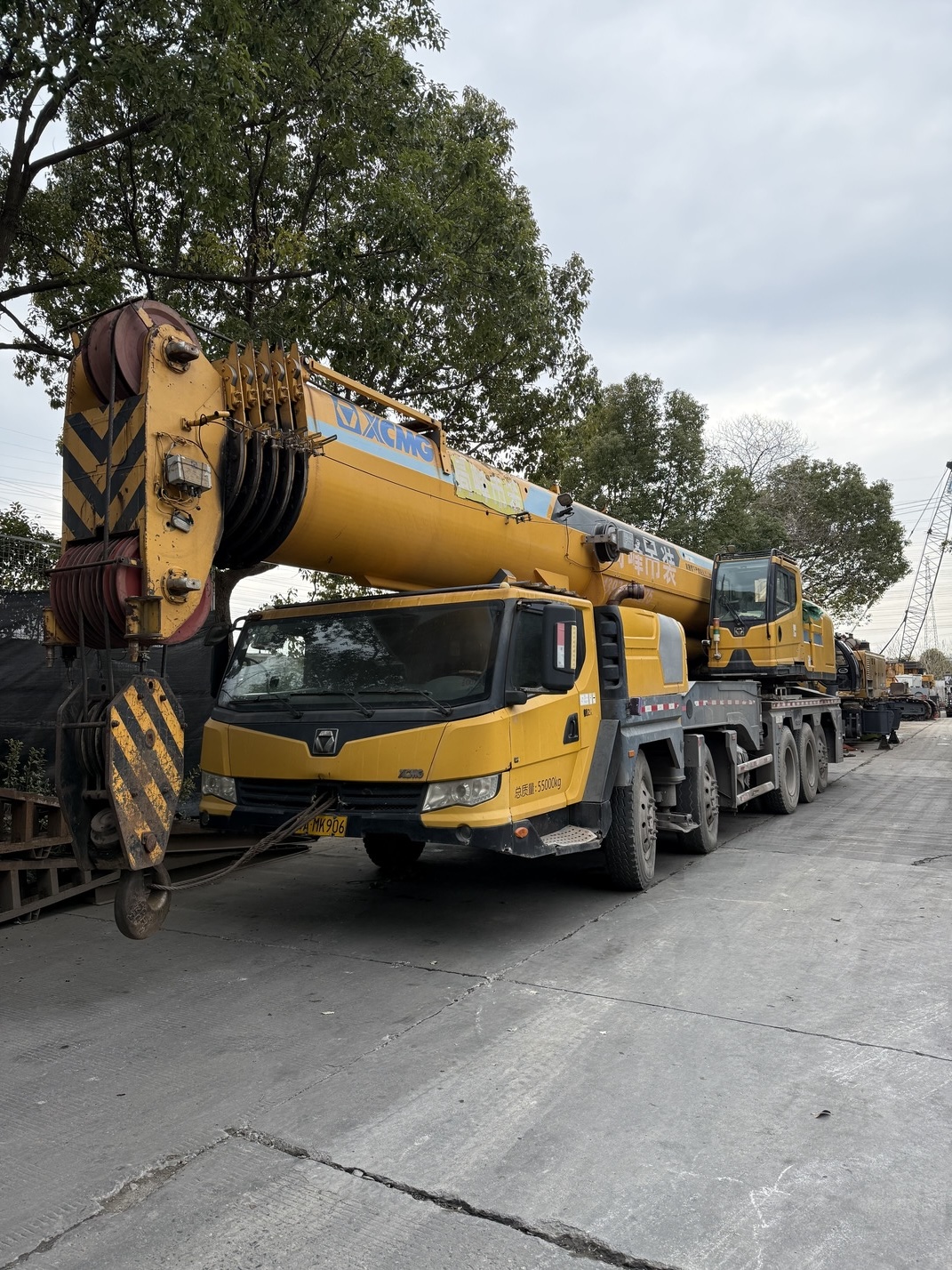
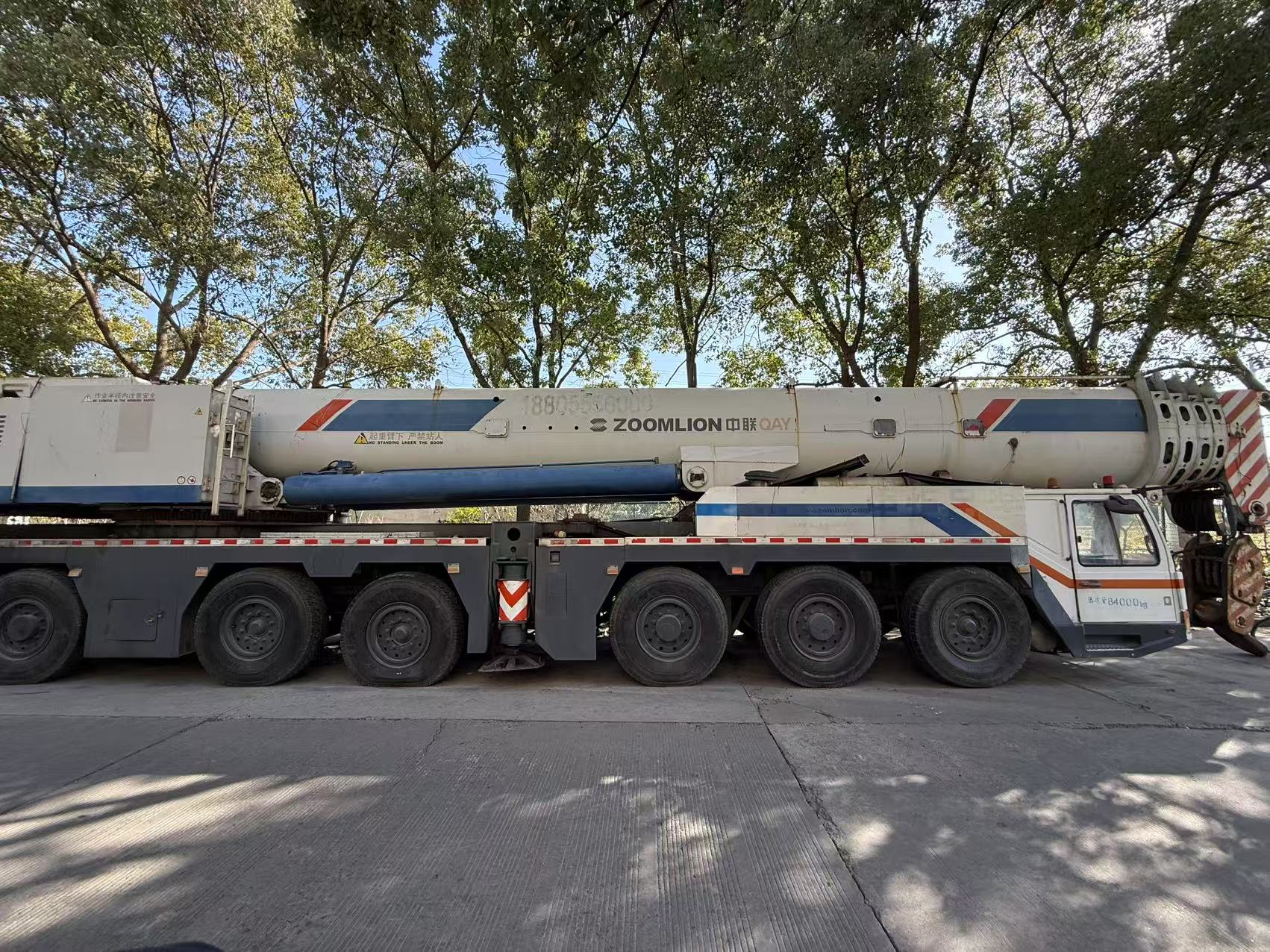
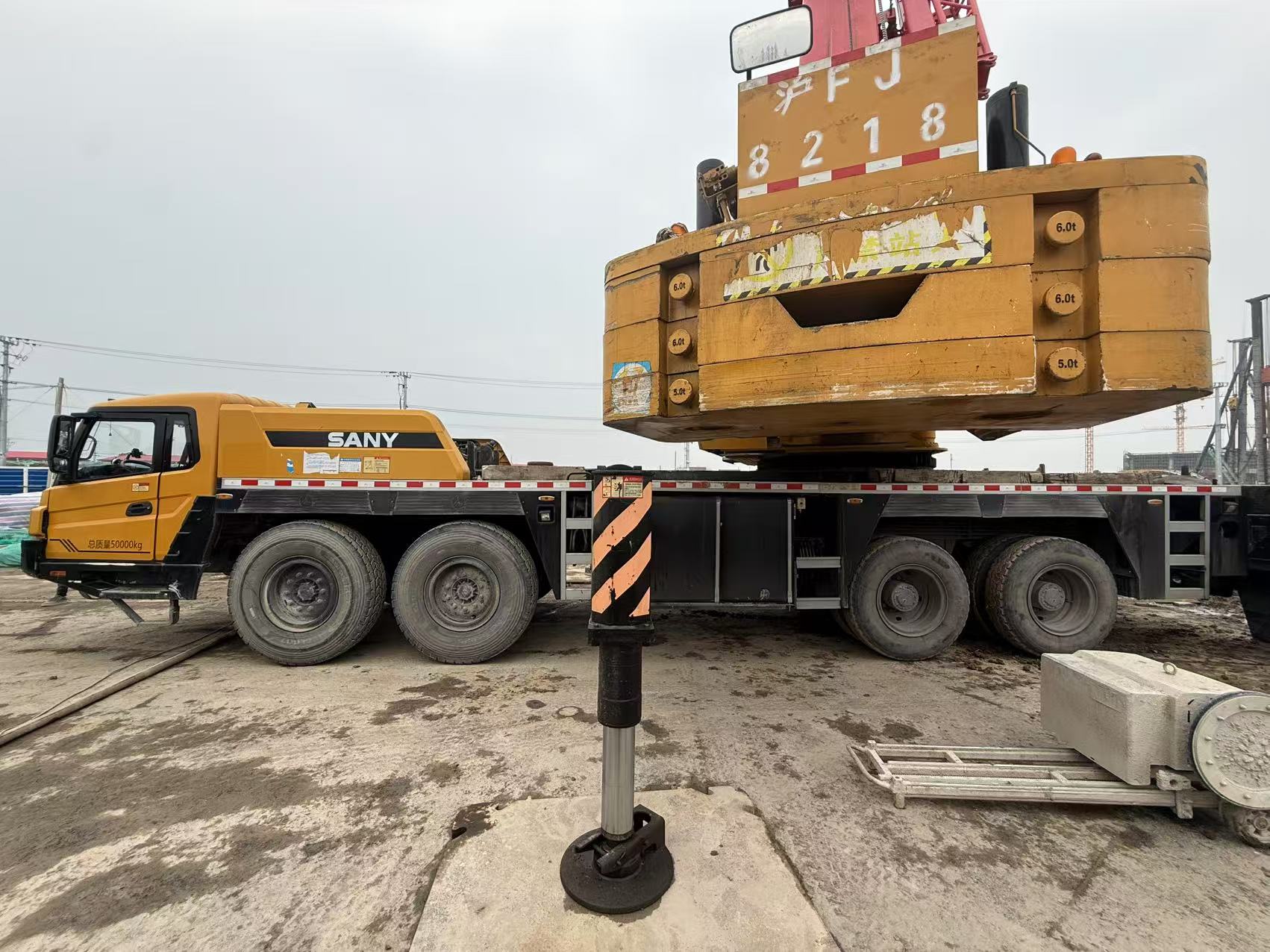
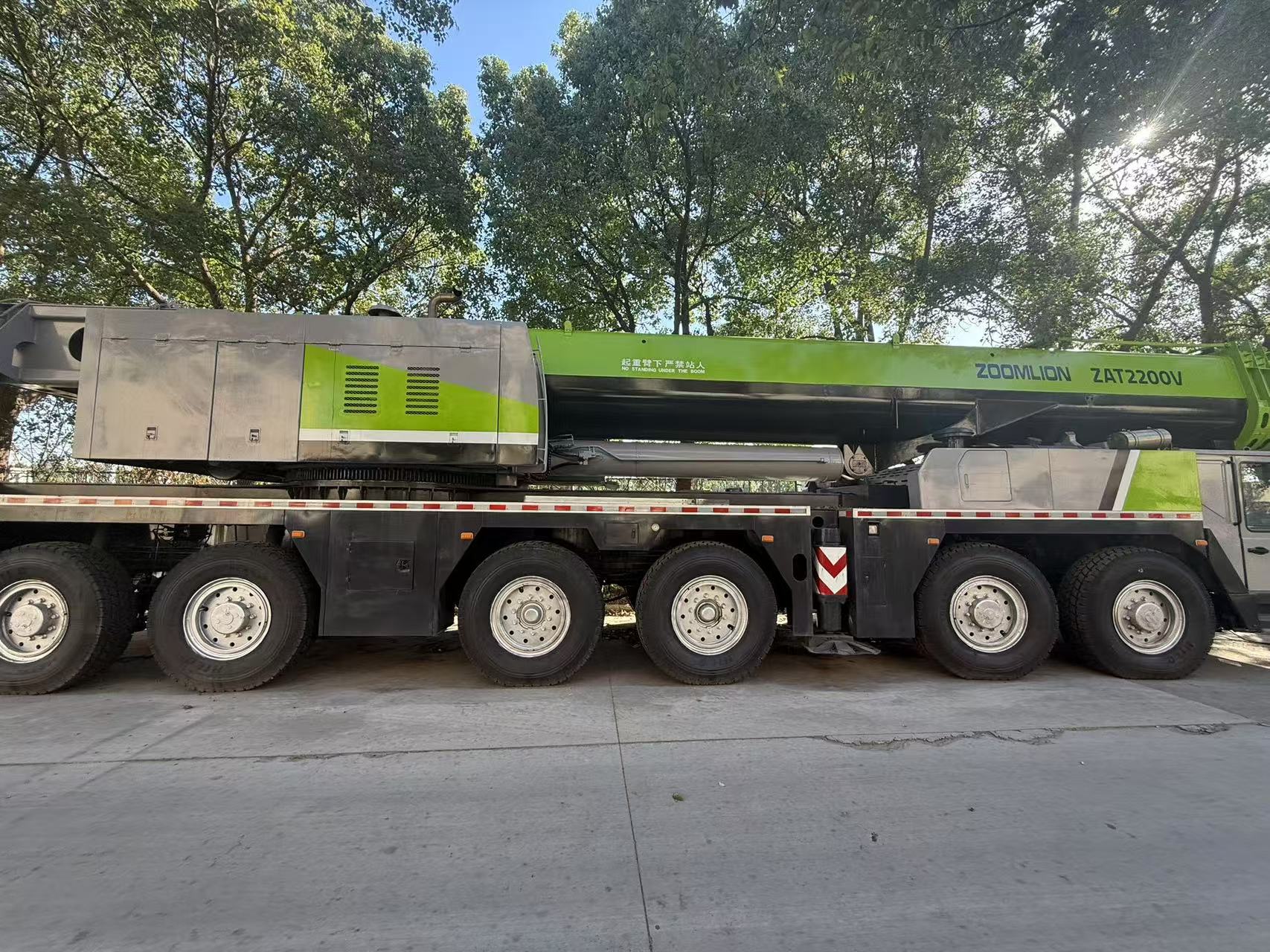
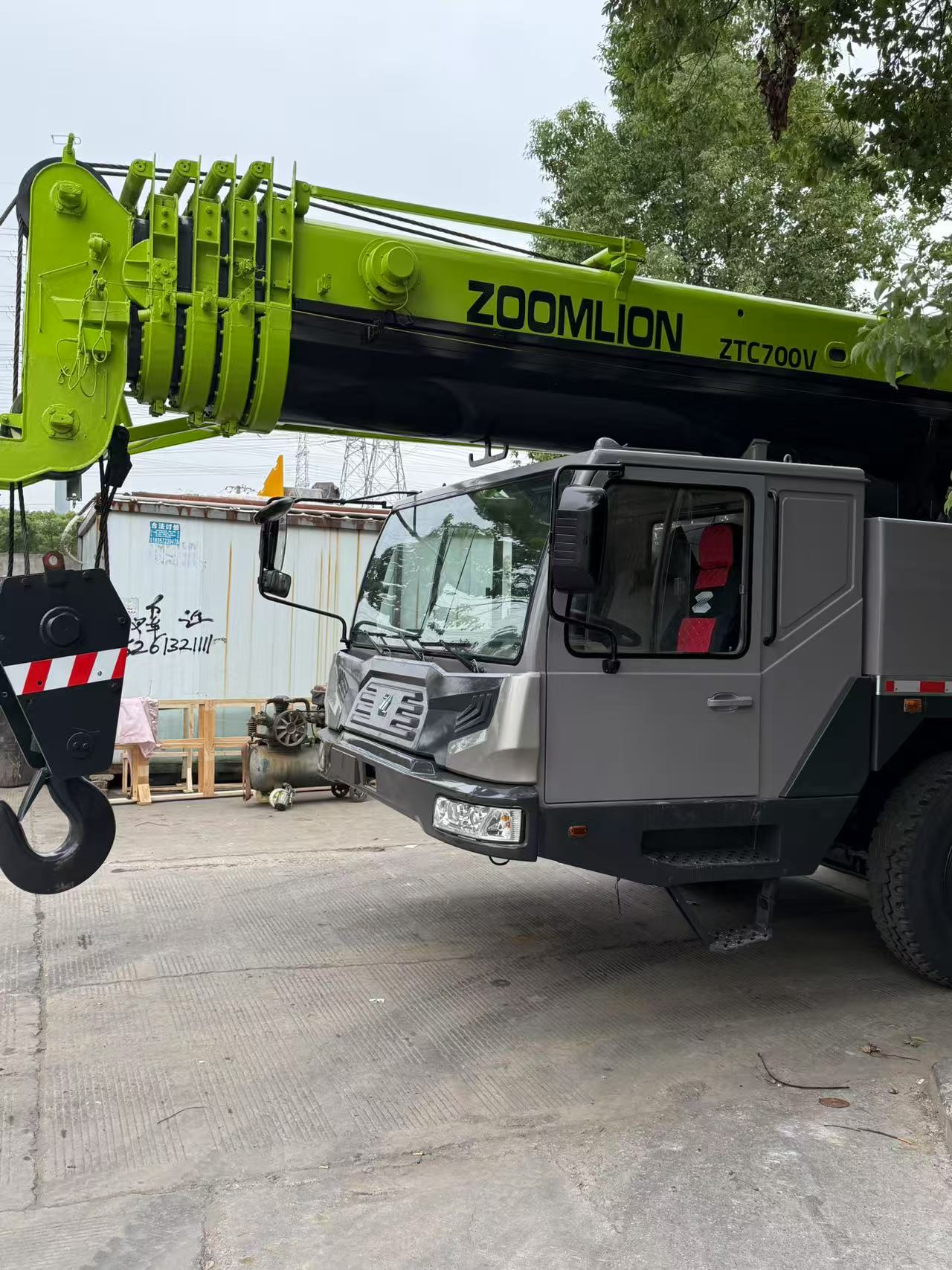
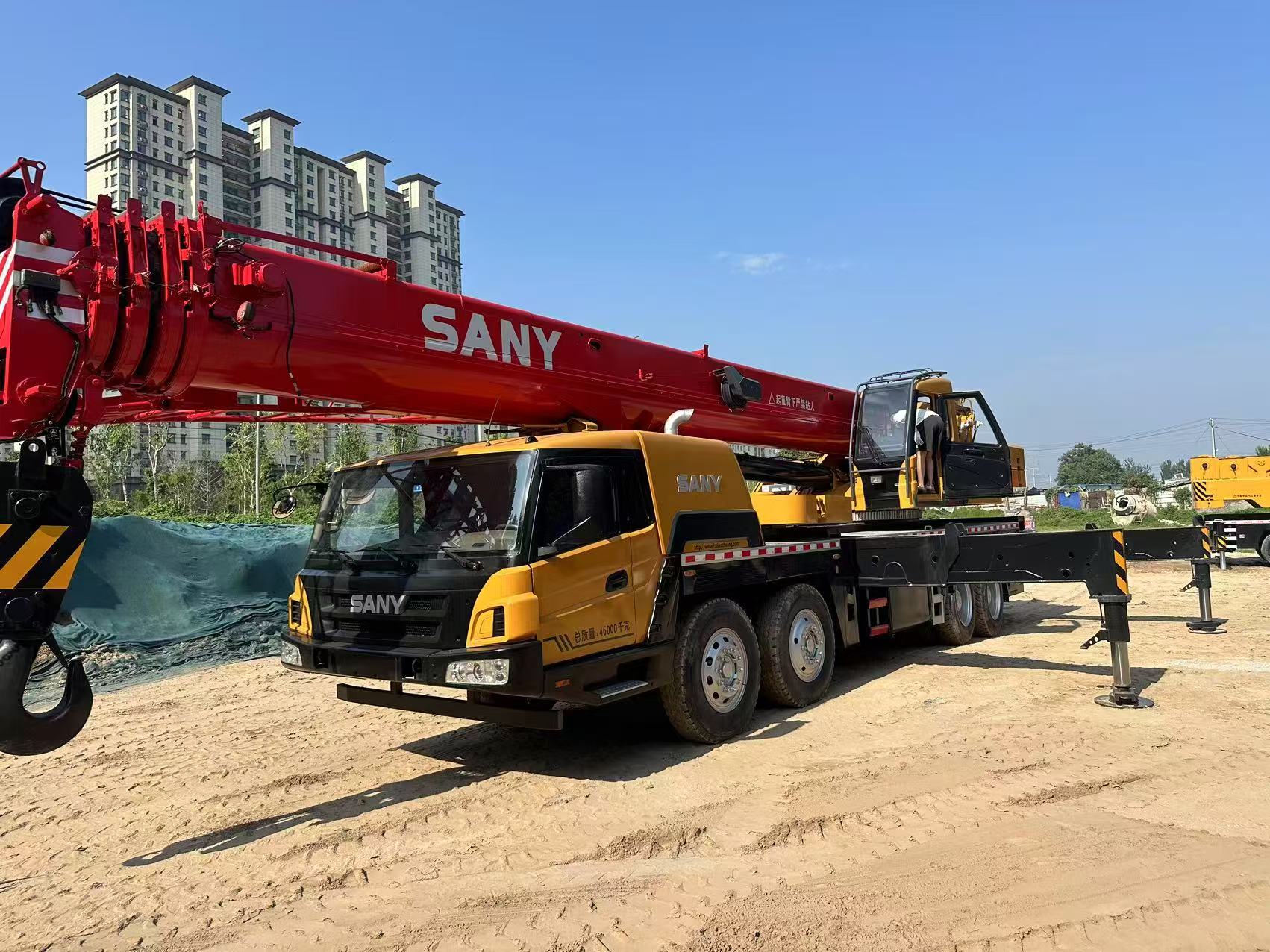
At the forefront of the global used crane market, Used XCMG & SANY stands as a beacon of quality and reliability, specializing in the export of premium pre-owned cranes. Our meticulously curated selection includes the 2020 SANY STC800T5, the 2022 XCMG QY50KC, and the 2014 XCMG QY130K. Each crane is a testament to engineering excellence, rigorously inspected and refurbished to meet the highest standards of performance and efficiency.
Our commitment to quality ensures that every machine we offer is not just cost-effective but also capable of delivering exceptional results. Whether you're looking for a crane used in building construction or any other heavy-duty application, our inventory has the perfect solution tailored to your needs. We understand the critical role these machines play in your projects, and that’s why we go the extra mile to ensure that our cranes are in peak operational condition.
At Used XCMG & SANY, we pride ourselves on providing a seamless purchasing experience, from streamlined logistics to hassle-free customs clearance. Our multilingual team is dedicated to guiding you through every step of the process, ensuring that your international transactions are smooth and worry-free.
Explore our extensive range of used cranes for sale and discover why Used XCMG & SANY is the trusted choice for contractors and construction firms worldwide. Together, let's elevate your projects to new heights with the unmatched power and reliability of XCMG and SANY cranes.
Our commitment to quality ensures that every machine we offer is not just cost-effective but also capable of delivering exceptional results. Whether you're looking for a crane used in building construction or any other heavy-duty application, our inventory has the perfect solution tailored to your needs. We understand the critical role these machines play in your projects, and that’s why we go the extra mile to ensure that our cranes are in peak operational condition.
At Used XCMG & SANY, we pride ourselves on providing a seamless purchasing experience, from streamlined logistics to hassle-free customs clearance. Our multilingual team is dedicated to guiding you through every step of the process, ensuring that your international transactions are smooth and worry-free.
Explore our extensive range of used cranes for sale and discover why Used XCMG & SANY is the trusted choice for contractors and construction firms worldwide. Together, let's elevate your projects to new heights with the unmatched power and reliability of XCMG and SANY cranes.


The Frequent FAQs of Crane
How much can a mini crane lift?▾
● Understanding the Lifting Capabilities of Mini Cranes
The advent of mini cranes has revolutionized the construction industry, particularly in building construction, by providing compact yet powerful lifting solutions. Unlike traditional cranes that require significant space and logistical planning, mini cranes offer a versatile alternative that can be employed in various restricted and hard-to-reach environments. One of the most critical considerations when selecting a mini crane is understanding its lifting capacity, which varies across different models and configurations.
● Maximum Lifting Capacity
Mini cranes come in various models, each designed with specific lifting capabilities to cater to different construction tasks. The smallest models are capable of lifting loads up to approximately 1,990 lbs at a short radius, ideal for tasks that require maneuverability in confined spaces. These models are especially useful in indoor environments or sites with limited access, where traditional cranes would be impractical.
On the other end of the spectrum, more robust mini cranes can lift remarkably heavy loads. Some advanced models are capable of lifting up to an impressive 13,300 lbs at a radius of 9.8 feet. This substantial lifting capacity makes them suitable for heavy-duty tasks such as hoisting building materials to considerable heights or positioning large structural elements during construction phases. This versatility is a significant advantage in building construction, enabling efficient material handling and productivity.
● Versatility and Accessibility
Mini cranes are not only powerful but also incredibly versatile. Their compact design allows them to fit through standard and double doorways, enabling their use inside buildings under construction or renovation. The ease of transportation and setup means they can be deployed quickly to different areas of a construction site, significantly reducing downtime and increasing overall efficiency.
For example, during the construction of multi-story buildings, mini cranes can be used to lift storage crates, HVAC units, or other heavy equipment to upper floors with ease. This capability is enhanced by various engine options—ranging from gas and diesel to electric and hybrid systems—ensuring that mini cranes can operate in both indoor and outdoor environments without causing significant emissions or noise.
● Enhanced Safety Features
Safety in building construction is paramount, and mini cranes are equipped with advanced safety features to mitigate risks. Modern mini cranes come with radio remote controls, allowing operators to maneuver the cranes from a safe distance, reducing the risk of accidents. Additionally, versatile outrigger configurations provide stability on uneven surfaces, further ensuring safe lifting operations. Some models also include turn-over-protection systems that prevent the crane from tipping over, even when handling maximum loads.
● Practical Applications in Building Construction
The practical applications of mini cranes in building construction are vast. These cranes are indispensable for tasks that require precision and reliability in areas where space is restricted. From installing glass panels to positioning steel beams, mini cranes provide an efficient and safe solution. Their ability to work in confined spaces, combined with significant lifting power, makes them an invaluable asset on construction sites.
Moreover, the adaptability of mini cranes means they can be used throughout various stages of a construction project. Whether it's laying the foundation, constructing the framework, or completing the final touches, mini cranes offer unparalleled flexibility. Their compact footprint and high lifting capabilities ensure they can manage a wide range of materials and equipment, thus streamlining the construction process and enhancing project timelines.
In conclusion, the power and versatility of mini cranes make them a critical tool in modern building construction. Understanding their lifting capacities and unique features enables construction professionals to maximize efficiency and safety on their job sites. As construction projects continue to evolve, the role of mini cranes will undoubtedly expand, solidifying their place as an essential component in the industry.
How much does a mobile crane lift?▾
Understanding the Lifting Capacity of Mobile Cranes
Mobile cranes are indispensable in construction, manufacturing, and various industrial sectors for lifting heavy loads and maneuvering them to precise locations. A crucial aspect of operating these cranes is understanding their lifting capacity, which is determined by a range of factors including boom length, boom angle, load radius, and overall stability. Knowing how much a mobile crane can lift is vital for ensuring safety, efficiency, and effectiveness on the job site.
One of the primary determinants of a mobile crane's lifting capacity is the length and angle of the boom. The boom acts as the crane's arm, and its configuration significantly influences the weight the crane can safely lift. The longer the boom and the steeper the angle, the less weight the crane can lift. Conversely, a shorter boom at a lower angle increases lifting capacity. Operators must consult the crane's load chart to determine the optimal boom length and angle for the specific load and lift requirements.
The load radius is the horizontal distance between the crane's center of rotation and the load. As the load radius increases, the crane's lifting capacity decreases. This is due to the leverage effect; a load positioned farther from the crane's center generates greater torque, thus reducing the maximum weight the crane can handle without risking instability or structural failure. Understanding the load radius is critical in planning lifts to ensure that the crane operates within its safe parameters.
A mobile crane's stability is another critical factor affecting its lifting capacity. The crane must be positioned on a stable surface, and outriggers should be fully extended to provide maximum support. The ground conditions, wind speeds, and other environmental factors also play a role in maintaining crane stability. Additionally, the structural strength of the crane components, such as the boom, hooks, and lifting devices, must be taken into account to prevent mechanical failure.
The crane's load chart is an essential tool for calculating lifting capacity. This chart details the maximum load the crane can lift at various configurations of boom length, angle, and load radius. It's imperative that crane operators are trained to read and interpret these charts accurately. The load chart also includes a bold line that separates the structural strength limits from stability limits, providing a clear guideline for safe operation.
When calculating the crane's net lifting capacity, operators must deduct the weight of various accessories from the crane's gross capacity. These accessories include the rigging, lines, ball and jib, blocks, and other lifting equipment. For example, the weight of the main load block, headache ball, and any hanging cables must be subtracted from the total lifting capacity to determine the actual weight the crane can safely lift.
Regular load testing is a critical safety measure to verify that the crane can handle its rated capacity. This involves testing the crane with weights up to its maximum designed load to ensure all components function correctly. Load testing helps identify potential defects and ensures that the crane remains in optimal operating condition. Water bags are often used in load testing due to their adjustability and compliance with safety standards.
Creating a comprehensive lift plan is essential for safe crane operations. This plan should include detailed steps of the lift, personnel roles, hazard assessments, and emergency protocols. Ensuring that all team members understand the lift plan and their responsibilities helps mitigate risks and promotes a safe working environment.
In conclusion, understanding how much a mobile crane can lift involves considering multiple factors such as boom length, boom angle, load radius, and overall stability. Accurate calculation using the load chart, regular load testing, and thorough lift planning are essential practices for safe crane operation. For those looking to expand their fleet or replace existing equipment, there are numerous Used Crane For Sale options that can provide cost-effective solutions while meeting all necessary safety and operational standards.
● Introduction
Mobile cranes are indispensable in construction, manufacturing, and various industrial sectors for lifting heavy loads and maneuvering them to precise locations. A crucial aspect of operating these cranes is understanding their lifting capacity, which is determined by a range of factors including boom length, boom angle, load radius, and overall stability. Knowing how much a mobile crane can lift is vital for ensuring safety, efficiency, and effectiveness on the job site.
● Key Factors Affecting Lifting Capacity
● Boom Length and Angle
One of the primary determinants of a mobile crane's lifting capacity is the length and angle of the boom. The boom acts as the crane's arm, and its configuration significantly influences the weight the crane can safely lift. The longer the boom and the steeper the angle, the less weight the crane can lift. Conversely, a shorter boom at a lower angle increases lifting capacity. Operators must consult the crane's load chart to determine the optimal boom length and angle for the specific load and lift requirements.
● Load Radius
The load radius is the horizontal distance between the crane's center of rotation and the load. As the load radius increases, the crane's lifting capacity decreases. This is due to the leverage effect; a load positioned farther from the crane's center generates greater torque, thus reducing the maximum weight the crane can handle without risking instability or structural failure. Understanding the load radius is critical in planning lifts to ensure that the crane operates within its safe parameters.
● Stability and Structural Strength
A mobile crane's stability is another critical factor affecting its lifting capacity. The crane must be positioned on a stable surface, and outriggers should be fully extended to provide maximum support. The ground conditions, wind speeds, and other environmental factors also play a role in maintaining crane stability. Additionally, the structural strength of the crane components, such as the boom, hooks, and lifting devices, must be taken into account to prevent mechanical failure.
● Calculating Lifting Capacity
● Using the Load Chart
The crane's load chart is an essential tool for calculating lifting capacity. This chart details the maximum load the crane can lift at various configurations of boom length, angle, and load radius. It's imperative that crane operators are trained to read and interpret these charts accurately. The load chart also includes a bold line that separates the structural strength limits from stability limits, providing a clear guideline for safe operation.
● Deducting Accessory Weights
When calculating the crane's net lifting capacity, operators must deduct the weight of various accessories from the crane's gross capacity. These accessories include the rigging, lines, ball and jib, blocks, and other lifting equipment. For example, the weight of the main load block, headache ball, and any hanging cables must be subtracted from the total lifting capacity to determine the actual weight the crane can safely lift.
● Practical Considerations
● Regular Load Testing
Regular load testing is a critical safety measure to verify that the crane can handle its rated capacity. This involves testing the crane with weights up to its maximum designed load to ensure all components function correctly. Load testing helps identify potential defects and ensures that the crane remains in optimal operating condition. Water bags are often used in load testing due to their adjustability and compliance with safety standards.
● Planning Safe Lifts
Creating a comprehensive lift plan is essential for safe crane operations. This plan should include detailed steps of the lift, personnel roles, hazard assessments, and emergency protocols. Ensuring that all team members understand the lift plan and their responsibilities helps mitigate risks and promotes a safe working environment.
● Conclusion
In conclusion, understanding how much a mobile crane can lift involves considering multiple factors such as boom length, boom angle, load radius, and overall stability. Accurate calculation using the load chart, regular load testing, and thorough lift planning are essential practices for safe crane operation. For those looking to expand their fleet or replace existing equipment, there are numerous Used Crane For Sale options that can provide cost-effective solutions while meeting all necessary safety and operational standards.
How big is a 30 ton crane?▾
Understanding the magnitude of a 30-ton crane requires delving into its technical specifications, practical applications, and the impact it can have on various industries. This heavy-duty piece of equipment is a marvel of engineering, designed to handle substantial loads with precision and safety.
Technical Specifications and Dimensions
A typical 30-ton crane features a robust structure capable of lifting loads up to 60,000 pounds. Its boom, the extendable arm used for lifting, can vary in length, often extending between 28 to 112 feet, depending on the model. The boom's height can reach up to 165 feet, allowing the crane to lift heavy materials to significant heights. These dimensions illustrate the crane's versatility, whether it's used in construction, shipping, or industrial applications.
The crane's chassis, which houses the mechanisms for lifting and moving, is equally impressive. Built from high-strength steel, it provides the necessary stability and support for heavy lifting. The chassis is typically mounted on a truck, offering mobility and ease of transportation to different job sites. Advanced hydraulic systems are used to power the crane’s movements, ensuring smooth and precise operations.
Practical Applications
In the construction industry, a 30-ton crane is indispensable. It can effortlessly lift steel beams, concrete panels, and other heavy materials to great heights, expediting the building process. On construction sites, safety is paramount, and the crane's advanced control systems play a critical role in preventing accidents by allowing operators to maneuver loads with utmost precision.
In the industrial sector, these cranes are utilized for the installation and maintenance of large machinery. They can lift engines, turbines, and other heavy equipment into place with ease. This capability is crucial for companies that need to upgrade their facilities without disrupting ongoing operations. Furthermore, in the realm of shipping and logistics, 30-ton cranes are often seen loading and unloading heavy containers, optimizing the efficiency of cargo handling at ports.
Economic and Operational Impact
Investing in a 30-ton crane can significantly enhance operational efficiency. For companies dealing in heavy materials or equipment, the ability to lift and move large loads quickly can reduce labor costs and minimize downtime. The crane's reliability and durability also mean fewer maintenance issues, ensuring continuous operation and long-term savings.
A used crane manufacturer can provide these cranes at a fraction of the cost of a new one, offering substantial savings. These manufacturers often refurbish and certify cranes to meet stringent safety standards, ensuring that buyers get reliable and efficient equipment. This option is particularly attractive for companies looking to expand their fleet without incurring the high costs associated with new machinery.
Conclusion
The sheer size and lifting capacity of a 30-ton crane make it a vital asset across various industries. Its technical specifications, from boom length to lifting capabilities, showcase its versatility and utility. Whether used in construction, industrial settings, or logistics, it enhances productivity, safety, and operational efficiency. By considering options from a used crane manufacturer, businesses can acquire these powerful machines economically, ensuring they meet their heavy lifting needs without breaking the bank.
Technical Specifications and Dimensions
A typical 30-ton crane features a robust structure capable of lifting loads up to 60,000 pounds. Its boom, the extendable arm used for lifting, can vary in length, often extending between 28 to 112 feet, depending on the model. The boom's height can reach up to 165 feet, allowing the crane to lift heavy materials to significant heights. These dimensions illustrate the crane's versatility, whether it's used in construction, shipping, or industrial applications.
The crane's chassis, which houses the mechanisms for lifting and moving, is equally impressive. Built from high-strength steel, it provides the necessary stability and support for heavy lifting. The chassis is typically mounted on a truck, offering mobility and ease of transportation to different job sites. Advanced hydraulic systems are used to power the crane’s movements, ensuring smooth and precise operations.
Practical Applications
In the construction industry, a 30-ton crane is indispensable. It can effortlessly lift steel beams, concrete panels, and other heavy materials to great heights, expediting the building process. On construction sites, safety is paramount, and the crane's advanced control systems play a critical role in preventing accidents by allowing operators to maneuver loads with utmost precision.
In the industrial sector, these cranes are utilized for the installation and maintenance of large machinery. They can lift engines, turbines, and other heavy equipment into place with ease. This capability is crucial for companies that need to upgrade their facilities without disrupting ongoing operations. Furthermore, in the realm of shipping and logistics, 30-ton cranes are often seen loading and unloading heavy containers, optimizing the efficiency of cargo handling at ports.
Economic and Operational Impact
Investing in a 30-ton crane can significantly enhance operational efficiency. For companies dealing in heavy materials or equipment, the ability to lift and move large loads quickly can reduce labor costs and minimize downtime. The crane's reliability and durability also mean fewer maintenance issues, ensuring continuous operation and long-term savings.
A used crane manufacturer can provide these cranes at a fraction of the cost of a new one, offering substantial savings. These manufacturers often refurbish and certify cranes to meet stringent safety standards, ensuring that buyers get reliable and efficient equipment. This option is particularly attractive for companies looking to expand their fleet without incurring the high costs associated with new machinery.
Conclusion
The sheer size and lifting capacity of a 30-ton crane make it a vital asset across various industries. Its technical specifications, from boom length to lifting capabilities, showcase its versatility and utility. Whether used in construction, industrial settings, or logistics, it enhances productivity, safety, and operational efficiency. By considering options from a used crane manufacturer, businesses can acquire these powerful machines economically, ensuring they meet their heavy lifting needs without breaking the bank.
How big is a 100 ton crane?▾
A 100-ton crane is an engineering marvel, showcasing both size and strength that cater to a variety of lifting tasks across numerous industries. To truly grasp the magnitude of a 100-ton crane, one must consider its various specifications and the application environments it dominates. This type of crane represents a perfect balance between enormous lifting capacity and versatile mobility, making it a staple in the construction and heavy lifting sectors.
A 100-ton crane typically measures around 14.42 meters in length, 2.55 meters in width, and 4.00 meters in height. These dimensions, while substantial, are meticulously designed to optimize both stability and reach. The crane is equipped with a telescopic boom that can extend from 13.00 meters up to an impressive 62.00 meters. This range allows it to adapt to different tasks, whether it's lifting heavy machinery or positioning materials at significant heights.
The lateral reach of the crane extends up to 64.00 meters, providing a wide operational radius. This is particularly beneficial for tasks that require horizontal movement of loads, such as placing construction materials across a large construction site. The crane's weight, approximately 67,000 kg, combined with its robust build, ensures a stable working environment, even when handling its maximum lifting capacity of 100,000 kg.
Powered by a powerful 6-cylinder diesel engine with an output of around 400 kW, the 100-ton crane is not only capable of lifting heavy loads but also of maneuvering itself efficiently across different job sites. The engine's high power output ensures that the crane can operate smoothly under demanding conditions, making it a reliable partner in heavy lifting tasks.
The crane usually features a 5-axle configuration, enhancing its stability and maneuverability. Standard drive and steering options are typically 10 x 6 x 10, which can be extended to 10 x 8 x 10 if the terrain requires more precise handling. This adaptability in drive and steering makes the crane versatile in various environments, from open construction sites to more confined spaces.
One of the standout features of a 100-ton crane is its impressive travel speed, often reaching up to 85.00 km/h. This allows it to relocate quickly between job sites, minimizing downtime and increasing overall operational efficiency. The total ballast, often around 22.50 tonnes, further ensures that the crane remains stable during lifts, providing safety and reliability.
The crane's design also includes advanced features such as a grid tip that can extend from 2.00 meters to 16.00 meters. This additional reach capability enables the crane to perform tasks at greater heights, expanding its versatility and utility in various lifting scenarios. The combination of these features underscores the crane's ability to handle a wide range of lifting tasks with precision and safety.
A 100-ton crane is indispensable in the construction industry, especially for projects that involve heavy lifting and precise placement of materials. Its high lifting capacity, combined with a solid outreach and flexible configuration, makes it an essential tool for tasks like erecting steel structures, lifting heavy equipment, and assembly operations.
For those looking to invest in or rent a 100-ton crane, partnering with a reputable Used Crane Manufacturer can be advantageous. These manufacturers often provide reliable, pre-owned cranes that meet stringent quality standards, offering both cost savings and performance assurance. Whether for short-term projects or long-term use, a 100-ton crane from a trusted used crane manufacturer ensures that you have the right tool for the job, backed by expertise and support.
In conclusion, the scale and capability of a 100-ton crane are awe-inspiring, reflecting a blend of engineering finesse and practical utility. Its dimensions, power, and versatility make it a critical asset in any heavy lifting scenario, driving efficiency and safety across diverse applications.
● Specifications and Dimensions
A 100-ton crane typically measures around 14.42 meters in length, 2.55 meters in width, and 4.00 meters in height. These dimensions, while substantial, are meticulously designed to optimize both stability and reach. The crane is equipped with a telescopic boom that can extend from 13.00 meters up to an impressive 62.00 meters. This range allows it to adapt to different tasks, whether it's lifting heavy machinery or positioning materials at significant heights.
The lateral reach of the crane extends up to 64.00 meters, providing a wide operational radius. This is particularly beneficial for tasks that require horizontal movement of loads, such as placing construction materials across a large construction site. The crane's weight, approximately 67,000 kg, combined with its robust build, ensures a stable working environment, even when handling its maximum lifting capacity of 100,000 kg.
● Engine and Mobility
Powered by a powerful 6-cylinder diesel engine with an output of around 400 kW, the 100-ton crane is not only capable of lifting heavy loads but also of maneuvering itself efficiently across different job sites. The engine's high power output ensures that the crane can operate smoothly under demanding conditions, making it a reliable partner in heavy lifting tasks.
The crane usually features a 5-axle configuration, enhancing its stability and maneuverability. Standard drive and steering options are typically 10 x 6 x 10, which can be extended to 10 x 8 x 10 if the terrain requires more precise handling. This adaptability in drive and steering makes the crane versatile in various environments, from open construction sites to more confined spaces.
● Operational Efficiency
One of the standout features of a 100-ton crane is its impressive travel speed, often reaching up to 85.00 km/h. This allows it to relocate quickly between job sites, minimizing downtime and increasing overall operational efficiency. The total ballast, often around 22.50 tonnes, further ensures that the crane remains stable during lifts, providing safety and reliability.
The crane's design also includes advanced features such as a grid tip that can extend from 2.00 meters to 16.00 meters. This additional reach capability enables the crane to perform tasks at greater heights, expanding its versatility and utility in various lifting scenarios. The combination of these features underscores the crane's ability to handle a wide range of lifting tasks with precision and safety.
● Applications and Utility
A 100-ton crane is indispensable in the construction industry, especially for projects that involve heavy lifting and precise placement of materials. Its high lifting capacity, combined with a solid outreach and flexible configuration, makes it an essential tool for tasks like erecting steel structures, lifting heavy equipment, and assembly operations.
For those looking to invest in or rent a 100-ton crane, partnering with a reputable Used Crane Manufacturer can be advantageous. These manufacturers often provide reliable, pre-owned cranes that meet stringent quality standards, offering both cost savings and performance assurance. Whether for short-term projects or long-term use, a 100-ton crane from a trusted used crane manufacturer ensures that you have the right tool for the job, backed by expertise and support.
In conclusion, the scale and capability of a 100-ton crane are awe-inspiring, reflecting a blend of engineering finesse and practical utility. Its dimensions, power, and versatility make it a critical asset in any heavy lifting scenario, driving efficiency and safety across diverse applications.

