
 en
en What are the safe operating standards for used cranes?
Time : 2024-10-26 Hits :
1186
The world of construction is ever-evolving, driven by the need for efficiency, safety, and reliability. This constant evolution beckons for a deeper understanding of equipment operations, especially in the realm of used diggers. As the demand for wholesale used diggers increases, construction professionals seek to balance cost-effectiveness with operational safety. In this article, we delve into the key aspects of used digger operations, emphasizing safety, maintenance, and operational procedures.
Used diggers, much like any other piece of heavy machinery, demand meticulous inspection and maintenance to ensure their longevity and effectiveness. Mechanical checks should include routine inspections of hydraulic systems, track conditions, and engine performance. Electrical components, including control systems and wiring, need to be evaluated to prevent malfunctions during operations.
Safety devices such as limit switches and overload protection mechanisms are crucial in maintaining the operational safety of used diggers. These components prevent the equipment from exceeding its designed capabilities, thereby reducing the risk of accidents. Regular testing and calibration of these safety devices ensure that the machinery operates within safe limits, thereby protecting both the operator and the work environment.
Operators of used diggers must possess the necessary skills and qualifications to handle this complex machinery effectively. Comprehensive training programs provide operators with the knowledge required to navigate the intricacies of used diggers. Licensing not only certifies proficiency but also serves as a testament to an operator’s ability to manage and mitigate operational risks.
Construction sites are governed by stringent safety regulations designed to protect workers and the environment. Operators must be well-versed in these regulations, alongside the specific manuals provided by used diggers suppliers. Such knowledge ensures procedures are followed meticulously, promoting a culture of safety and compliance.
The operational environment plays a pivotal role in the safe deployment of used diggers. Operators must conduct thorough site inspections to identify potential obstacles that may impede the equipment's movement. Ensuring that the digger operates on stable and level ground reduces the risk of tipping and enhances operational efficiency.
Weather conditions significantly impact the safety and efficiency of used digger operations. Adverse weather, such as strong winds or torrential rains, can compromise the stability of the machinery. Operators must remain vigilant and postpone operations if conditions deteriorate, prioritizing safety over productivity.
Used diggers, supplied by reliable used digger companies, come with specified maximum load capacities. Exceeding these limits can lead to mechanical failures or catastrophic accidents. Operators must strictly adhere to these specifications to ensure the equipment operates within its safe threshold.
Accurate load assessment is vital in preventing overloading. Operators should employ precise weighing techniques and consider factors such as load distribution and material density. Understanding and implementing these measures ensures that operations remain within the digger’s safe capacity, safeguarding the machinery and personnel involved.
Clear communication is the backbone of any successful construction operation. Establishing robust communication protocols ensures that all personnel are aligned with the operational objectives. This is particularly crucial when coordinating complex maneuvers involving used diggers.
In noisy construction environments where verbal communication may be ineffective, hand signals and communication devices are essential. These tools ensure seamless interaction among team members, reducing the likelihood of misunderstandings that could lead to accidents. Proper training in hand signals enhances the overall safety and efficiency of operations.
Maintaining safe distances from loads and booms is a safety imperative. Operators and ground personnel must respect safety perimeters around active machinery to avoid inadvertent contact with moving parts.
Standing beneath cranes and suspended loads poses significant risks. Safety protocols must strictly prohibit such practices, ensuring that personnel remain clear of potential danger zones. By adhering to these guidelines, construction sites can significantly reduce the occurrence of accidents.
Personal Protective Equipment (PPE) is a fundamental aspect of construction safety. Personnel operating or working near used diggers should wear appropriate gear, such as helmets, gloves, and steel-toed boots. This equipment provides a vital layer of defense against potential hazards.
Every lifting task requires a detailed operational plan that outlines the procedural steps, equipment requirements, and safety measures. These plans serve as guides to executing operations efficiently while mitigating risks associated with used digger operations.
Complex operations demand additional safety measures and strategic planning. This may include deploying extra personnel to oversee critical points, employing advanced equipment, or introducing innovative techniques to enhance safety and efficiency.
Standardized safety protocols significantly reduce risks in crane operations. Compliance with these standards ensures that all safety measures are uniformly implemented across the board, creating a safer working environment for all stakeholders.
Adhering to established safety standards protects both personnel and equipment. Compliance should be ingrained in the operational culture, with regular audits and training to keep safety at the forefront of all construction activities.
The construction industry is dynamic, with safety standards continually evolving. Regular updates and training sessions keep personnel informed about the latest safety standards and best practices, ensuring that they remain equipped to handle emerging challenges.
Fostering a culture of safety awareness and responsibility is integral to the success of any construction project. Management should encourage open communication and feedback, empowering employees to take an active role in promoting safety on-site.
Used diggers play a critical role in modern construction, offering a cost-effective solution without compromising on quality or safety. By understanding and implementing stringent safety, maintenance, and operational protocols, construction professionals can maximize the utility of used diggers, ensuring efficient and safe operations.
Empowering Global Construction with Quality Used Machinery from China. At the forefront of the global used machinery trade, Nesse Machinery stands as a beacon of excellence, offering a comprehensive range of premium second-hand construction equipment from the heart of China. Our inventory boasts an impressive array of excavators, cranes, and loaders, each meticulously inspected and refurbished to ensure maximum productivity and reliability. Choose Nesse Machinery for your used machinery needs and join a global network that values quality, efficiency, and customer satisfaction above all else.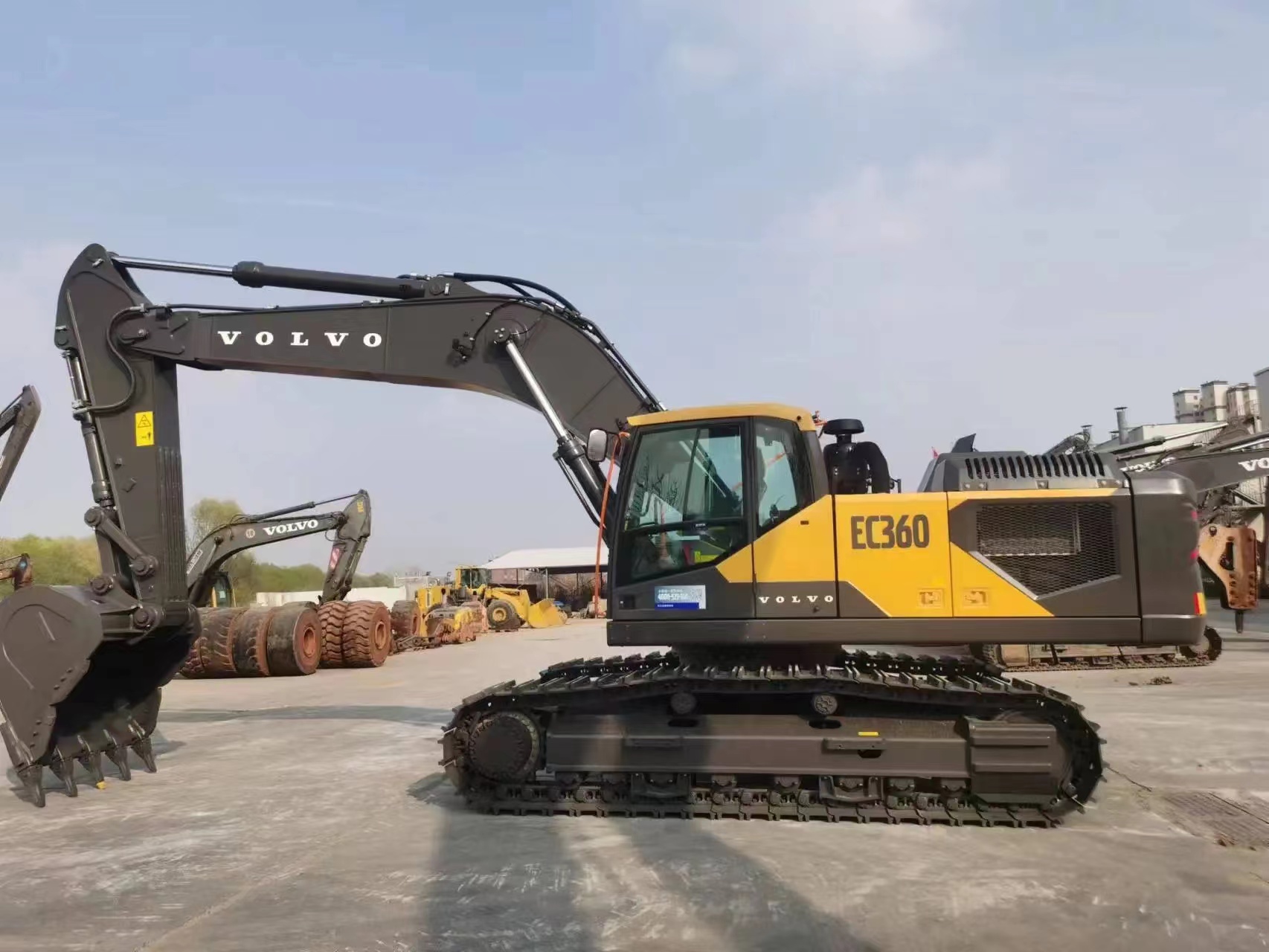
The Importance of Equipment Inspection and Maintenance
● Regular Mechanical and Electrical Checks
Used diggers, much like any other piece of heavy machinery, demand meticulous inspection and maintenance to ensure their longevity and effectiveness. Mechanical checks should include routine inspections of hydraulic systems, track conditions, and engine performance. Electrical components, including control systems and wiring, need to be evaluated to prevent malfunctions during operations.
● Ensuring Functionality of Safety Devices
Safety devices such as limit switches and overload protection mechanisms are crucial in maintaining the operational safety of used diggers. These components prevent the equipment from exceeding its designed capabilities, thereby reducing the risk of accidents. Regular testing and calibration of these safety devices ensure that the machinery operates within safe limits, thereby protecting both the operator and the work environment.
Operator Qualification and Training
● Necessity of Professional Training and Valid Licensing
Operators of used diggers must possess the necessary skills and qualifications to handle this complex machinery effectively. Comprehensive training programs provide operators with the knowledge required to navigate the intricacies of used diggers. Licensing not only certifies proficiency but also serves as a testament to an operator’s ability to manage and mitigate operational risks.
● Understanding Crane Manuals and Safety Regulations
Construction sites are governed by stringent safety regulations designed to protect workers and the environment. Operators must be well-versed in these regulations, alongside the specific manuals provided by used diggers suppliers. Such knowledge ensures procedures are followed meticulously, promoting a culture of safety and compliance.
Assessing the Operating Environment
● Checking for Obstacles and Ensuring Stable, Level Ground
The operational environment plays a pivotal role in the safe deployment of used diggers. Operators must conduct thorough site inspections to identify potential obstacles that may impede the equipment's movement. Ensuring that the digger operates on stable and level ground reduces the risk of tipping and enhances operational efficiency.
● Evaluating Weather Conditions
Weather conditions significantly impact the safety and efficiency of used digger operations. Adverse weather, such as strong winds or torrential rains, can compromise the stability of the machinery. Operators must remain vigilant and postpone operations if conditions deteriorate, prioritizing safety over productivity.
Adhering to Load Limitations
● Importance of Following Maximum Lifting Capacities
Used diggers, supplied by reliable used digger companies, come with specified maximum load capacities. Exceeding these limits can lead to mechanical failures or catastrophic accidents. Operators must strictly adhere to these specifications to ensure the equipment operates within its safe threshold.
● Ensuring Load Weight is Within Crane’s Safe Capacity
Accurate load assessment is vital in preventing overloading. Operators should employ precise weighing techniques and consider factors such as load distribution and material density. Understanding and implementing these measures ensures that operations remain within the digger’s safe capacity, safeguarding the machinery and personnel involved.
Effective Signalling Systems
● Establishing Clear Communication Protocols
Clear communication is the backbone of any successful construction operation. Establishing robust communication protocols ensures that all personnel are aligned with the operational objectives. This is particularly crucial when coordinating complex maneuvers involving used diggers.
● Using Hand Signals and Communication Devices
In noisy construction environments where verbal communication may be ineffective, hand signals and communication devices are essential. These tools ensure seamless interaction among team members, reducing the likelihood of misunderstandings that could lead to accidents. Proper training in hand signals enhances the overall safety and efficiency of operations.
Maintaining Safe Distances
● Keeping Distances from Loads and Booms
Maintaining safe distances from loads and booms is a safety imperative. Operators and ground personnel must respect safety perimeters around active machinery to avoid inadvertent contact with moving parts.
● Avoiding Standing Under Cranes and Loads
Standing beneath cranes and suspended loads poses significant risks. Safety protocols must strictly prohibit such practices, ensuring that personnel remain clear of potential danger zones. By adhering to these guidelines, construction sites can significantly reduce the occurrence of accidents.
Use of Personal Protective Equipment (PPE)
Personal Protective Equipment (PPE) is a fundamental aspect of construction safety. Personnel operating or working near used diggers should wear appropriate gear, such as helmets, gloves, and steel-toed boots. This equipment provides a vital layer of defense against potential hazards.
Planning and Operating Procedures
● Creating Detailed Operation Plans for Every Lifting Task
Every lifting task requires a detailed operational plan that outlines the procedural steps, equipment requirements, and safety measures. These plans serve as guides to executing operations efficiently while mitigating risks associated with used digger operations.
● Implementing Additional Measures for Complex Operations
Complex operations demand additional safety measures and strategic planning. This may include deploying extra personnel to oversee critical points, employing advanced equipment, or introducing innovative techniques to enhance safety and efficiency.
Reducing Risks in Crane Operations
● Impact of Standards on Safety and Risk Reduction
Standardized safety protocols significantly reduce risks in crane operations. Compliance with these standards ensures that all safety measures are uniformly implemented across the board, creating a safer working environment for all stakeholders.
● Ensuring Personnel and Equipment Safety Through Compliance
Adhering to established safety standards protects both personnel and equipment. Compliance should be ingrained in the operational culture, with regular audits and training to keep safety at the forefront of all construction activities.
Importance of Continual Safety Education
● Regular Updates and Training on Safety Standards
The construction industry is dynamic, with safety standards continually evolving. Regular updates and training sessions keep personnel informed about the latest safety standards and best practices, ensuring that they remain equipped to handle emerging challenges.
● Encouraging a Culture of Safety Awareness and Responsibility
Fostering a culture of safety awareness and responsibility is integral to the success of any construction project. Management should encourage open communication and feedback, empowering employees to take an active role in promoting safety on-site.
Conclusion
Used diggers play a critical role in modern construction, offering a cost-effective solution without compromising on quality or safety. By understanding and implementing stringent safety, maintenance, and operational protocols, construction professionals can maximize the utility of used diggers, ensuring efficient and safe operations.
● Used XCMG & SANY - Empowering Global Construction
Empowering Global Construction with Quality Used Machinery from China. At the forefront of the global used machinery trade, Nesse Machinery stands as a beacon of excellence, offering a comprehensive range of premium second-hand construction equipment from the heart of China. Our inventory boasts an impressive array of excavators, cranes, and loaders, each meticulously inspected and refurbished to ensure maximum productivity and reliability. Choose Nesse Machinery for your used machinery needs and join a global network that values quality, efficiency, and customer satisfaction above all else.
 RETURN
