
 en
en Is it better to rent or buy a used digger?
Cost Analysis: Renting vs. Buying a Used Digger
Initial Investment and Long-Term Commitment
Purchasing a used digger generally requires a significant upfront investment. Depending on the brand, model, and condition, a used digger can range from $20,000 to $100,000. In contrast, renting typically involves lower initial costs, with rates ranging from $200 to $500 per day or $1,000 to $2,500 per month. For companies managing tight budgets or uncertain project timelines, renting reduces the need for substantial capital allocation.
Operational Costs and Financial Planning
Buying a digger entails ongoing expenses such as insurance, maintenance, and repair costs. These can add up to 10%–15% of the digger's value annually. In a rental agreement, these costs are typically covered by the rental company. Thus, renting can provide better financial predictability, allowing companies to allocate resources more effectively across various projects.
Project Duration: Short-term vs. Long-term Use
Short-term Projects and Flexibility
Short-term projects may benefit more from renting, offering flexibility without long-term commitments. Renting allows businesses to scale equipment needs up or down based on project specifications, minimizing idle machine time and optimizing resource allocation.
Long-term Projects and Ownership Benefits
For projects extending beyond several months, purchasing a used digger might be more cost-effective. Ownership ensures constant machine availability, reducing downtime related to equipment logistics. Additionally, companies gain the potential advantage of customizing the digger to better suit their long-term operational requirements.
Financial Implications: Budget Constraints and Cash Flow
Budget Management and Financing Options
Budget constraints can significantly influence the decision to rent or buy. While purchasing a digger may strain immediate cash flow, financing options such as loans or leases can alleviate this pressure by spreading the cost over time. A thorough cost-benefit analysis should be conducted to determine the best financial route.
Cash Flow Considerations for Equipment Acquisition
For companies aiming to preserve liquidity, renting offers a more manageable alternative by converting a large capital expenditure into smaller, consistent operational expenses. This can be particularly advantageous for smaller wholesale companies or startups aiming to maintain a healthy cash flow.
Equipment Utilization: Frequency and Intensity of Use
Utilization Rates and Asset Efficiency
High utilization rates often justify buying a digger, as the cost-per-hour decreases with increased usage. Companies predicting extended or frequent use should calculate their breakeven utilization point to ascertain if owning the equipment provides better financial returns.
Operational Intensity and Wear and Tear
If a second hand diggers for sale is expected to undergo intensive use, renting might be beneficial to avoid wear-induced depreciation. Rental agreements typically offer well-maintained equipment, reducing potential downtime due to mechanical failures and ensuring consistent performance.
Maintenance and Repairs: Responsibilities and Costs
Maintenance Obligations and Resource Allocation
Ownership involves direct responsibility for maintenance and repairs, which can necessitate skilled labor and specialized tools, affecting the company's resource allocation. In contrast, renting often shifts these obligations to the rental company, allowing businesses to focus on core operations.
Cost Implications of Repairs and Servicing
Repair costs can be unpredictable and potentially high. Depending on machine age and condition, maintenance expenses for owned diggers can exceed 10% of the machine's original cost annually. In rental models, these unpredictable costs are typically absorbed by the rental company, enhancing financial stability.
Depreciation Concerns: Value Retention and Asset Longevity
Depreciation Rates and Market Value
Heavy machinery can depreciate significantly, with used diggers losing 20%–30% of their value within the first year of use post-purchase. Companies must evaluate if the residual value, post-depreciation, justifies the initial investment, as opposed to the economic benefits of renting.
Asset Longevity and Replacement Timing
The longevity of a digger impacts its value and usability. Owners need to consider when to replace aging equipment to optimize productivity and minimize costs. Rental agreements offer newer models more frequently, ensuring that companies always access the latest technologies without concerns about asset deterioration.
Technological Advancements: Staying Current with Equipment
Access to Latest Features and Innovations
Ownership limits upgrading to newer models unless old equipment is sold or traded in. Conversely, renting provides access to state-of-the-art machinery equipped with the latest features, enhancing project efficiency and operational safety.
Technological Lifespan and Competitive Advantage
For companies aiming to maintain a competitive edge, accessing technologically advanced equipment is crucial. Renting allows instantaneous transition to superior models without financial strain, promoting enhanced project execution and client satisfaction.
Storage and Transport:Logistics and Cost Implications
Storage Requirements and Facility Costs
Ownership necessitates secure storage facilities to protect equipment from environmental elements, which can incur additional costs. Rental companies often manage storage logistics, reducing overhead and aligning operational expenses.
Transport Logistics and Project Efficiency
Transporting diggers to various job sites can be costly and logistically challenging. Renting eliminates transport concerns for companies operating across multiple locations, as rental companies often provide on-site delivery and pick-up services.
Legal and Insurance Considerations: Renting vs. Buying
Insurance Obligations and Liability Coverage
Ownership requires comprehensive insurance, covering potential damages and liability. Renters often benefit from rental company insurance policies, minimizing liability and reducing insurance costs.
Compliance and Contractual Obligations
Rental agreements often include provisions ensuring compliance with industry standards and legal requirements. This alleviates the burden on companies to stay updated with regulatory changes, which is crucial for minimizing legal risks.
Market Trends: Used Digger Demand and Availability
Market Dynamics and Equipment Availability
The demand for used diggers influences availability and pricing. High demand can escalate purchase costs, whereas rental fleets adapted to market trends provide more availability options and flexible pricing structures.
Wholesale Market Insights and Future Predictions
Wholesale companies often adjust strategies based on market predictions, impacting the decision to buy or rent. Understanding upcoming market shifts can guide equipment acquisition strategies, aligning with business growth and operational needs.
Used XCMG & SANY Provide Solutions
Wholesale solutions from leading brands like XCMG & SANY offer flexibility and reliability, catering to diverse project needs. Whether renting or buying, these companies provide tailored options, ensuring access to high-performance machinery. Their extensive networks and expertise enable construction companies to make informed choices, optimizing equipment investment for enhanced project outcomes. 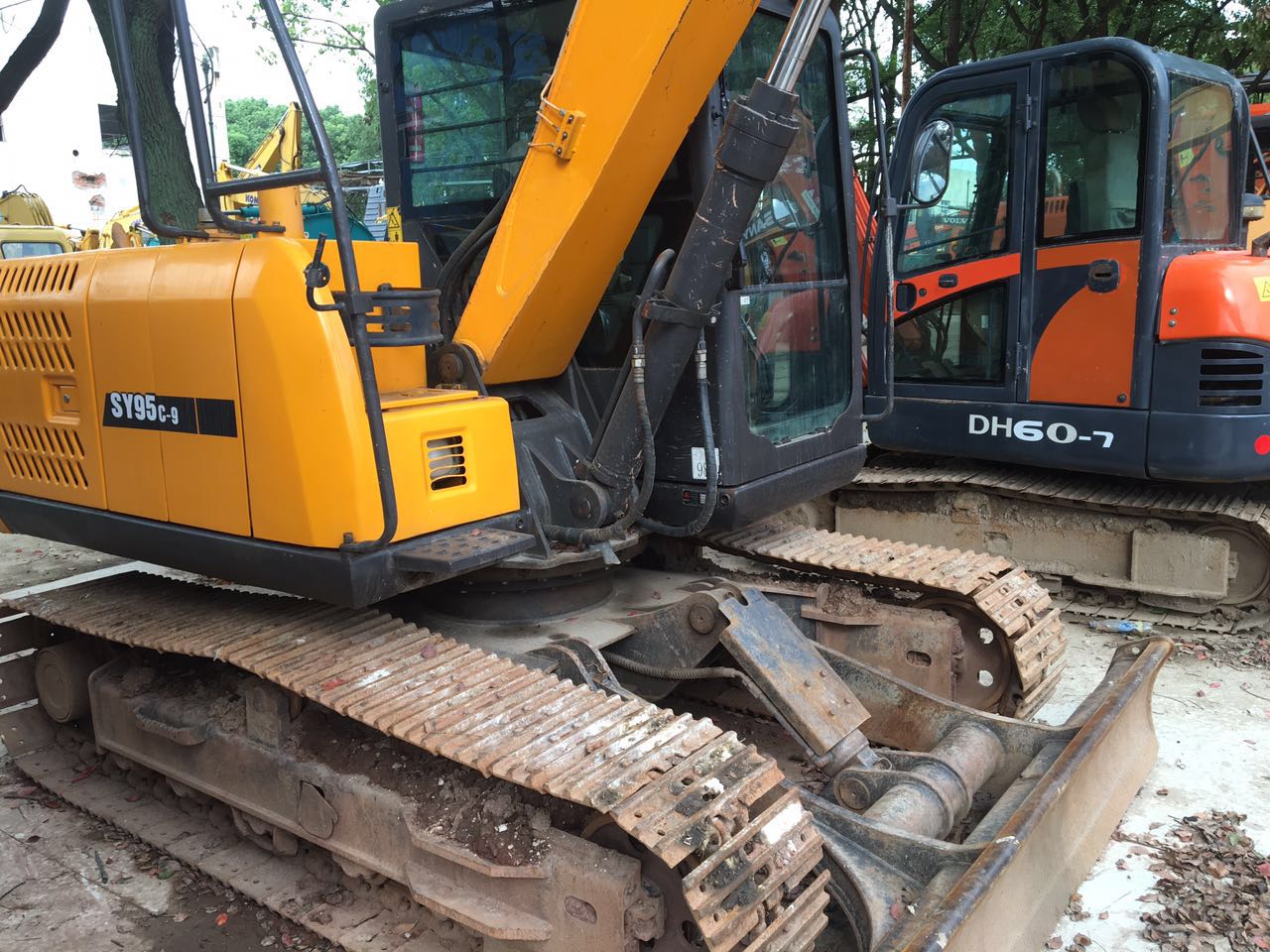
 RETURN
