
 en
en How does the cost of a used boom crane compare to a new one?
Introduction to Boom Cranes and Market Dynamics
Boom cranes are indispensable in various industries due to their versatility and efficiency in lifting heavy loads. Understanding the cost dynamics, whether for new or used cranes, is crucial for companies aiming to maximize their investment returns. Market trends indicate a consistent demand for both new and used boom cranes, affected by factors such as technological advancements and global economic conditions. To make an informed decision, buyers need to consider the initial cost, maintenance, and long-term benefits associated with each option.
Industry Demand and Crane Types
The demand for boom cranes varies across sectors like construction, shipping, and manufacturing. While new cranes are equipped with the latest technology, used cranes provide a cost-effective solution for companies that do not require cutting-edge features. Understanding the specific needs of your business can guide the decision-making process.
Initial Costs: New vs Used
The initial cost of a boom crane is a major consideration for any business. New cranes typically carry a higher price tag due to the latest features and warranties, whereas used cranes can be acquired at a fraction of the price.
Cost Breakdown
New boom cranes can range from $100,000 to $500,000, depending on specifications and capabilities. Used cranes, on the other hand, might be available for 20-30% less. When purchasing in wholesale quantities, companies might avail discounts, further lowering the cost of new units.
Depreciation and Resale Values
Depreciation is a significant factor influencing the total cost of crane ownership. A new crane depreciates rapidly in the first few years, often losing about 20% of its value annually in the initial phase.
Resale Considerations
Used cranes, in contrast, have already undergone the steepest depreciation phase. This makes them attractive for companies looking to minimize financial loss on resale. Understanding the market demand for specific models can aid in estimating potential resale values.
Maintenance and Operating Costs
While used cranes have a lower upfront cost, maintenance expenses can accumulate over time. Assessing the condition and history of a used crane is critical to estimating its future operating costs.
Long-term Maintenance
New cranes benefit from manufacturer warranties and typically have lower maintenance costs in the early years. Companies need to balance these factors against the cost savings of a used crane to determine the more economical option in the long run.
Financing Options and Interest Rates
Financing plays a vital role in crane procurement, affecting the overall cost through interest and repayment terms. New cranes often come with attractive financing options from the manufacturer or dealer.
Financing Terms
Companies can secure loans for new cranes with interest rates as low as 5% and terms extending up to 120 months. Used cranes might incur higher interest rates due to perceived risk, affecting long-term affordability. Wholesalers and retailers can offer varying financing terms based on the age and condition of the crane.
Technological Advancements and Innovations
Technological advancements in new boom cranes offer enhanced safety and efficiency, potentially justifying their higher cost for certain companies.
Innovation Impacts
Features such as automation, remote control, and improved load management are more prevalent in newer models, reducing operational risks and improving productivity.
Safety Standards and Compliance
Ensuring compliance with safety regulations is mandatory in all jurisdictions. New cranes often meet the latest standards, while used cranes may require upgrades to comply.
Regulatory Implications
Companies must consider the cost of retrofitting used cranes to meet current safety requirements, which can affect the overall savings anticipated from purchasing a used unit.
Supplier Reliability and After-Sales Support
Choosing a reputable supplier ensures access to customer support and reliable after-sales services, making it a critical factor in crane acquisition.
Evaluating Suppliers
Look for companies that provide comprehensive support, from installation to maintenance, to maximize the lifecycle of the crane. Wholesalers may offer packages that include training and servicing agreements, reducing long-term risks.
Case Studies and Industry Experiences
Real-world examples provide insights into the advantages and challenges of purchasing new versus used boom cranes.
Practical Insights
- A construction company saved 30% by opting for a used crane and reinvested savings into additional equipment.
- A logistics company faced unexpected maintenance costs on a used crane, highlighting the importance of thorough pre-purchase inspections.
Conclusion: Making the Right Choice
The decision to purchase a new or used boom crane should be based on a comprehensive analysis of initial costs, maintenance, and long-term benefits. Each option has its merits, and the best choice will depend on the specific needs and financial strategy of the company.
Used XCMG & SANY Provide Solutions
Used XCMG and SANY cranes present viable solutions for businesses looking to balance cost and performance. These companies provide reliable used models that have been thoroughly inspected and refurbished to ensure operational efficiency. Partnering with reputable suppliers ensures that you receive cranes with extended warranties and support services, enabling your business to maintain productivity without overspending. Evaluate their offerings to maximize investment returns, maintaining quality and compliance with industry standards.
User hot search: used boom cranes for sale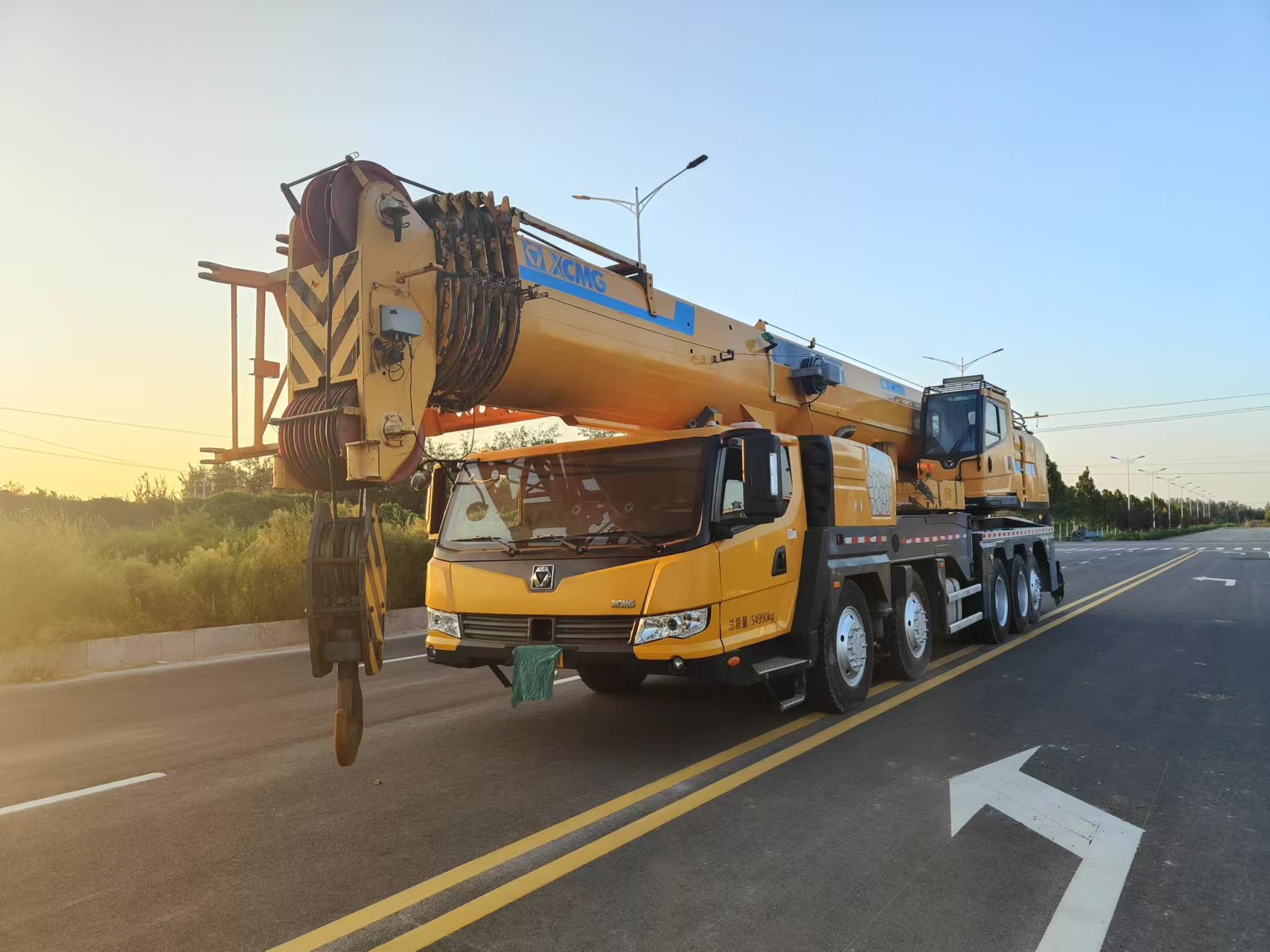
 RETURN
