
 en
en How do I transport a used crawler crane after purchase?
Understanding Crawler Cranes: Key Features and Functions
Crawler cranes are integral to the construction and infrastructure development industry. These machines offer heavy lifting capabilities and exceptional stability, making them ideal for various projects. Their tracked chassis allows them to move across challenging terrains, which gives them an edge over wheeled cranes in certain scenarios.
Key Features
- Ability to lift between 50 to 3,500 metric tons
- Exceptional stability due to track design
- Compatible with multiple boom lengths and configurations
Functions
Crawler cranes are used for lifting and moving heavy materials. Their robust construction allows them to operate in harsh environments, making them essential for projects like building bridges, wind farms, and high-rise buildings.
Factors to Consider Before Transporting a Used Crane
Condition and Inspection
A thorough inspection of the crane’s current condition is imperative. Check for wear and tear in the tracks, cables, boom, and hydraulic systems. Ensuring that the crane has been well-maintained can prevent breakdowns during transport.
Documentation and Service History
Examining the crane’s documentation, including service records and any previous repairs, helps gauge reliability. A comprehensive history gives insight into potential future issues and maintenance needs.
Budgeting for Transport
Budgeting for transportation involves accounting for direct costs, such as fuel and labor, and indirect costs, such as permits and insurance. These expenses can vary depending on the distance and geographical challenges.
Planning for Crane Transportation: Essential Steps
Route Planning
Plan your route meticulously, considering the crane's dimensions and weight. Avoid narrow roads or those with low bridges. GPS-enabled route planning can offer real-time updates and alternative routes in case of delays.
Choosing the Right Transport Equipment
Specialized trailers with appropriate load capacity are necessary for moving crawler cranes. Wholesale providers offer solutions for customized trailers that can handle the crane’s weight and dimensions.
Role of Technology in Crane Transportation
Technology plays a crucial role in ensuring the safe and efficient transportation of crawler cranes. GPS and AI systems facilitate route planning and monitor crane conditions during transit.
Real-Time Monitoring
Advanced monitoring systems track the crane’s position and condition in real-time, ensuring prompt action in case of unexpected issues.
Predictive Maintenance
AI can predict potential mechanical failures before they occur, minimizing downtime and ensuring the crane is always operationally ready.
Preparing the Crane for Safe Transport
Securing Loose Parts
Before transport, secure all detachable parts, including the boom and counterweights. Proper restraints and tie-downs are essential to prevent movement during transit.
Disassembly Where Required
In some cases, it may be necessary to disassemble the crane partially to fit transport regulations. Ensure all components are labeled and documented for efficient reassembly.
Selecting the Right Transport Method for Crawler Cranes
Choosing an appropriate transport method involves understanding the crane’s dimensions and weight. Specialized carriers equipped with hydraulic suspension systems offer enhanced stability.
Utilizing Company Expertise
Partner with a reputable transport company with experience in moving heavy machinery. Their expertise ensures compliance with regulations and safe delivery to the job site.
Safety Protocols During Crane Transport
Compliance Checks
Strict adherence to safety regulations and compliance checks is mandatory. Ensure that all permits are secured and the transport route is cleared for oversized loads.
Communication Protocols
Maintain open communication lines between the transport team and the job site. Regular updates and contingency plans are critical for addressing unforeseen circumstances.
Arrival and Offloading Procedures at the Jobsite
Clearing the Offloading Area
Prepare the offloading site by removing debris and obstacles. Ensure the ground is level and can support the crane’s weight during offloading.
Offloading Techniques
Use specialized equipment and trained personnel to offload the crane safely. Adhering to best practices minimizes the risk of damage to the crane and surrounding area.
Post-Arrival Inspection and Setup of the Crane
Thorough Inspection
After offloading, conduct a detailed inspection to ensure the crane is undamaged. Check all systems, including hydraulic and electrical components, for any issues.
Setup and Testing
Properly assemble the crane and conduct operational tests to verify functionality. Ensure that all safety features are operational before commencing work on the project.
Legal Considerations and Compliance Issues
Legal compliance plays a pivotal role in crane transportation. Understanding import regulations and obtaining necessary permits are crucial steps.
Regulations and Permits
Secure all required permits, including special permissions for oversize loads. Ensure compliance with local and national transportation regulations to avoid penalties.
Insurance Requirements
Insurance coverage is mandatory for crane transportation. Evaluate policies to ensure adequate coverage against potential transit damage or liabilities.
Used XCMG & SANY Provide Solutions
Used XCMG & SANY cranes offer cost-effective solutions by retaining functionality and performance. Partnering with a wholesale provider can streamline access to high-quality used machines. A reputed company can also offer tailored transport and logistical support, ensuring that cranes reach your project site efficiently and ready for deployment. This combination of affordability and reliability makes used cranes a strategic choice for businesses looking to optimize their operational capacity.
User hot search: used crawler crane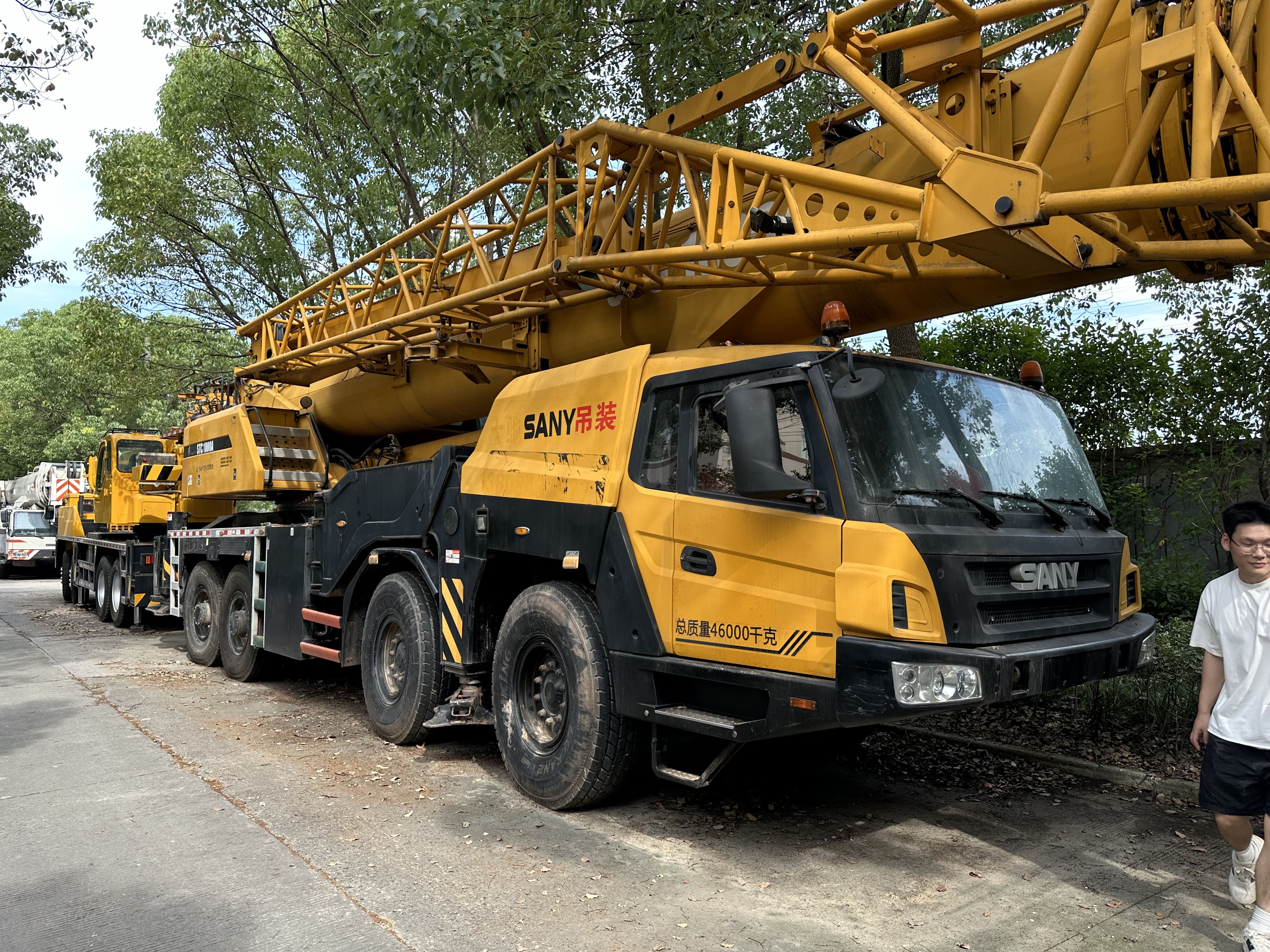
 RETURN
