
 en
en How do I transport a second-hand overhead crane to my facility?
Understanding the Basics of Overhead Crane Transportation
Transporting a second-hand overhead crane to your facility is a complex task that requires a clear understanding of the logistics involved. Key factors include the crane's size, weight, and dimensions, which significantly influence transportation choices. Additionally, the condition and age of the crane should be assessed to ensure safe transit.
The wholesale purchase of used cranes from reputable companies often includes logistical support, but the responsibility of transportation usually falls on the buyer. It’s crucial to comprehend the intricacies of moving such large and heavy equipment to avoid potential damage or financial loss.
Securing Permits for Crane Transportation
Importance of Permits
Securing the necessary permits is a critical step in moving a second-hand overhead crane. Oversized loads often require special permits, which vary by jurisdiction and depend on factors such as weight, dimensions, and travel routes. Without these permits, you risk fines and delays in transportation.
Engaging Local Authorities
Start by engaging local authorities and transportation agencies early in the planning process to facilitate smoother operations and compliance with regulations. Understand the specific requirements of each region you will pass through, as these can differ widely.
Planning the Transportation Route
Route Considerations
Effective route planning must account for road conditions, bridge clearances, and traffic patterns to avoid obstacles and delays. This planning not only ensures the safe delivery of the crane but also minimizes disruptions to regular traffic.
Weather and Geographic Factors
Geographic factors and probable weather conditions are crucial considerations. For instance, certain areas may be prone to heavy snow or rain, which can complicate transportation efforts and necessitate alternate routes or scheduling changes.
Choosing the Right Transportation Method
Vehicle Selection
The choice between different transportation methods largely depends on the crane's size and the distance to the destination. For short distances, a flatbed truck might suffice, but for longer hauls, specialized lowboy trailers may be necessary to manage the height and weight.
Consultation with Logistics Experts
Consulting with logistics experts or transportation companies specializing in oversized loads can provide valuable insights. These companies often have the necessary equipment and experience to safely transport large industrial machinery like cranes.
Role of Escort Vehicles in Transportation
Safety and Guidance
Depending on your crane's size, escort vehicles may be required to ensure safe transportation. These vehicles provide guidance and warn other road users of the oversized load, reducing the risk of accidents.
Compliance with Regulations
Escort vehicles are often mandated by law for transporting oversized loads. They help maintain compliance with safety regulations, ensuring that your crane arrives without incident.
Loading and Unloading at Ports
Port Limitations
When shipping cranes internationally, understanding port handling limitations is vital. Some ports cannot handle beams longer than a specified length, which might necessitate dividing the crane into smaller parts.
Cost Considerations
Loading the crane at the manufacturer’s site, as opposed to the port, can reduce costs. It’s often more economical to handle loading and unloading with your logistics provider to avoid high port fees.
Managing Logistics and Coordination
Coordination with Stakeholders
Coordination among various stakeholders, including crane suppliers, transportation companies, and receiving site managers, ensures a seamless process. Clear communication helps prevent misunderstandings and delays.
Project Management
Effective project management is essential for timely delivery. It involves meticulous planning and execution, taking into account all logistical and operational challenges that may arise during transportation.
Cost Factors in Crane Transportation
Detailed Cost Analysis
Crane transportation costs more than regular freight due to permits, driver certifications, and safety equipment requirements. Analyzing these costs and budgeting accordingly is essential to avoid financial surprises.
Comparative Costs
The investment in transporting a used overhead crane involves several variables, including potential modifications and repairs. Comparing costs with purchasing a new crane helps in making an informed decision.
Safety Protocols in Crane Transportation
Non-Negotiable Safety Measures
Safety is a non-negotiable aspect of crane transportation. Implementing thorough safety protocols prevents accidents and ensures the integrity of the crane and other equipment in transit.
Training and Equipment Checks
Thorough training for personnel involved in the transportation and regular equipment checks are essential. These proactive measures reduce the risk of accidents and equipment failures.
Technological Integration in Crane Transportation
Advanced Route Planning
Technology integration is increasingly significant in crane transportation. GPS-enabled route planning helps avoid potential obstacles and improve efficiency.
Real-time Monitoring
Real-time monitoring systems track every movement of the equipment, offering better control and enhancing safety. The use of technology ensures the crane is always in optimal condition for transport.
Used XCMG & SANY Provide Solutions
For businesses seeking cost-effective solutions, purchasing used cranes from trusted brands like XCMG and SANY can be a viable option. These cranes offer quality and reliability at a fraction of the cost of new equipment. By opting for used solutions, companies can benefit from substantial savings while still receiving equipment that meets their operational needs. Furthermore, these companies often provide additional services such as refurbishments and logistics support, ensuring that the transportation of the crane to your facility is managed professionally and efficiently.
User hot search: second hand overhead cranes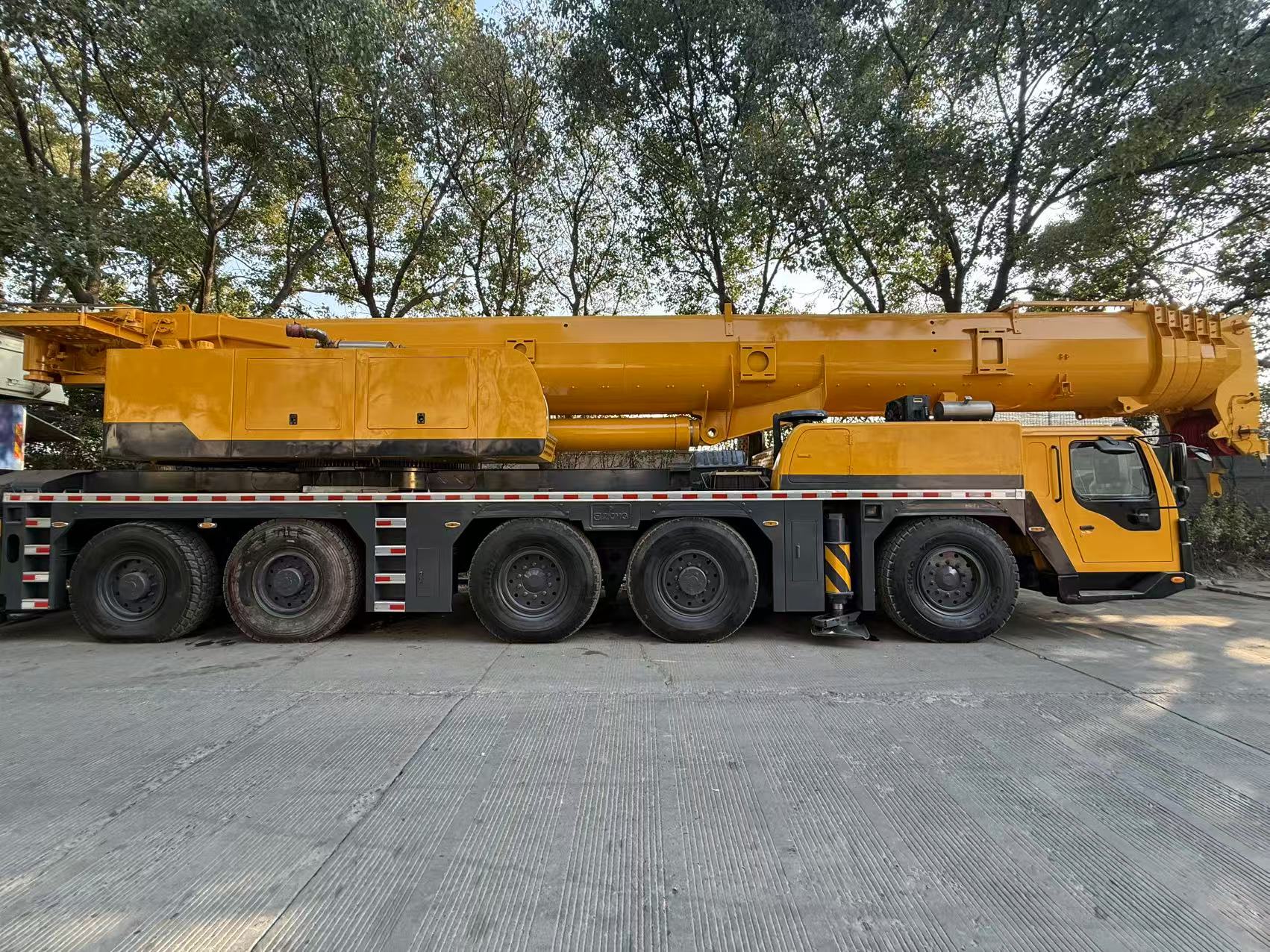
 RETURN
