
 en
en How do I choose the right boom truck crane supplier?
Understanding Your Project Requirements
Selecting the right boom truck crane supplier begins with a comprehensive understanding of your project requirements. Identifying specific needs not only helps in choosing suitable equipment but also ensures that the supplier can meet your demands efficiently. Start by outlining the nature of the project, the environment in which the crane will operate, and the expected challenges. This step will guide you toward a supplier who can provide a tailored solution.
Analyzing Load and Weight Requirements
The lifting capacity is a crucial parameter. Boom trucks can handle various weights, typically ranging from 10 to 60 tons. Understanding the exact weight of the materials and equipment is essential to avoid overloading, which can lead to equipment strain or unsafe conditions. Discuss your load requirements with potential suppliers to ensure their equipment can handle the load safely and efficiently.
Evaluating Lifting Capacity
The boom truck crane's lifting capacity should match your project needs. It's important to review the supplier’s capacity charts to determine if their offerings can manage the specific weights and reach required. A reputable supplier will provide detailed specifications and assist in interpreting these charts to optimize performance and safety.
Reviewing Equipment Specifications
- Load Capacity: Ensure each crane's load capacity aligns with your requirements, keeping in mind the maximum loads your project involves.
- Reach and Height: Determine if the boom length is adequate for your project needs, with considerations for potential obstructions.
Terrain and Accessibility Considerations
The physical characteristics of the job site dictate the type of boom truck needed. If your project involves difficult terrain, ensure the supplier offers equipment with features like outriggers for stability and compact designs for maneuverability. Inquire about any additional equipment modifications that might be necessary to accommodate the landscape.
Dealing with Uneven and Confined Spaces
- Stability Systems: Verify that the supplier provides advanced stability technology suitable for uneven surfaces.
- Compact Footprints: Opt for boom trucks that are designed for tight spaces if your project is in urban or cluttered environments.
Boom Length and Reach
Understanding the necessary boom length and reach is critical in selecting the right supplier. The ideal crane should offer the flexibility to lift materials over obstacles or into confined spaces. Suppliers should provide detailed diagrams and models to illustrate how their equipment adapts to your project’s spatial requirements.
Assessing Articulation Needs
- Articulating Booms: Evaluate if the crane needs an articulated boom for better maneuverability and reach.
- Extension Capabilities: Discuss the possibility of adding jib extensions for extended reach when necessary.
Focus on Durability and Comfort
Durability and operator comfort are significant factors, especially for long-term projects. Selecting a supplier that offers well-maintained, high-quality equipment can minimize downtime and maintenance costs. Additionally, consider the operator's environment; features such as climate-controlled cabs and ergonomic controls can enhance productivity.
Quality and Maintenance Assurance
- Maintenance Records: Request maintenance records to verify the supplier’s commitment to equipment upkeep.
- Operator Comfort: Confirm that the equipment includes features that enhance operator comfort and safety.
Supplier’s Range of Crane Options
A supplier offering a comprehensive range of boom trucks allows for greater flexibility in meeting your varied project needs. Assess the supplier's inventory to ensure a wide selection of cranes, including those with specialized capabilities like telescopic booms or detachable platforms.
Versatility and Customization
- Model Variety: Ensure the supplier provides a selection of models tailored to diverse project requirements.
- Customization Options: Discuss options for customizing the crane to suit unique operational needs.
Assessing Supplier Reputation and Experience
A supplier's reputation and industry experience are indicators of their reliability and capability. Opt for a supplier with a strong track record and years of experience in delivering robust solutions. Research past projects similar to yours to gauge the supplier’s expertise and problem-solving abilities.
Reviewing Client Testimonials
- Client Feedback: Investigate feedback from previous clients to assess the supplier’s performance and reliability.
- Industry Recognition: Check for industry certifications or awards that reflect the supplier’s standing in the market.
Customer Service and Communication
Effective communication is vital in any supplier relationship. A supplier who prioritizes clear, responsive communication can enhance collaboration and ensure smooth project execution. Look for suppliers that demonstrate a commitment to understanding and addressing customer needs promptly.
Timeliness and Support
- Response Times: Evaluate how quickly the supplier responds to inquiries and resolves issues.
- Customer Support: Ensure the supplier provides comprehensive support throughout the project lifecycle.
Specialized Services and Capabilities
Projects with unique requirements may benefit from specialized services offered by experienced suppliers. Check if the supplier provides additional services like rigging, transportation, or custom equipment modifications to simplify project logistics and execution.
Evaluating Service Offerings
- Integrated Solutions: Consider suppliers that offer end-to-end services to minimize vendor coordination.
- Additional Capabilities: Ensure the supplier can offer specialized solutions for complex project demands.
Industry Certifications and Standards Compliance
Ensuring that your supplier adheres to industry certifications and standards is crucial for safety and compliance. Certifications indicate a commitment to maintaining high-quality service and operational safety. Verify the supplier’s credentials before finalizing your decision.
Checking Accreditation
- Safety Certifications: Confirm that the supplier’s equipment and operations meet industry safety standards.
- Quality Assurance: Look for certifications that guarantee the quality and reliability of the supplier’s offerings.
Used XCMG & SANY Provide Solutions
When considering used boom trucks, options like XCMG and SANY can provide cost-effective solutions without compromising performance. XCMG offers robust and versatile models suitable for various terrains, known for durability and reliability. Meanwhile, SANY provides user-friendly designs with advanced control systems, ideal for precision lifting tasks. Both manufacturers are recognized for quality and efficiency, making them excellent choices for projects requiring dependable equipment. By choosing reputable suppliers of used equipment, you can maintain project efficiency while adhering to budget constraints.
User hot search: boom truck crane for sale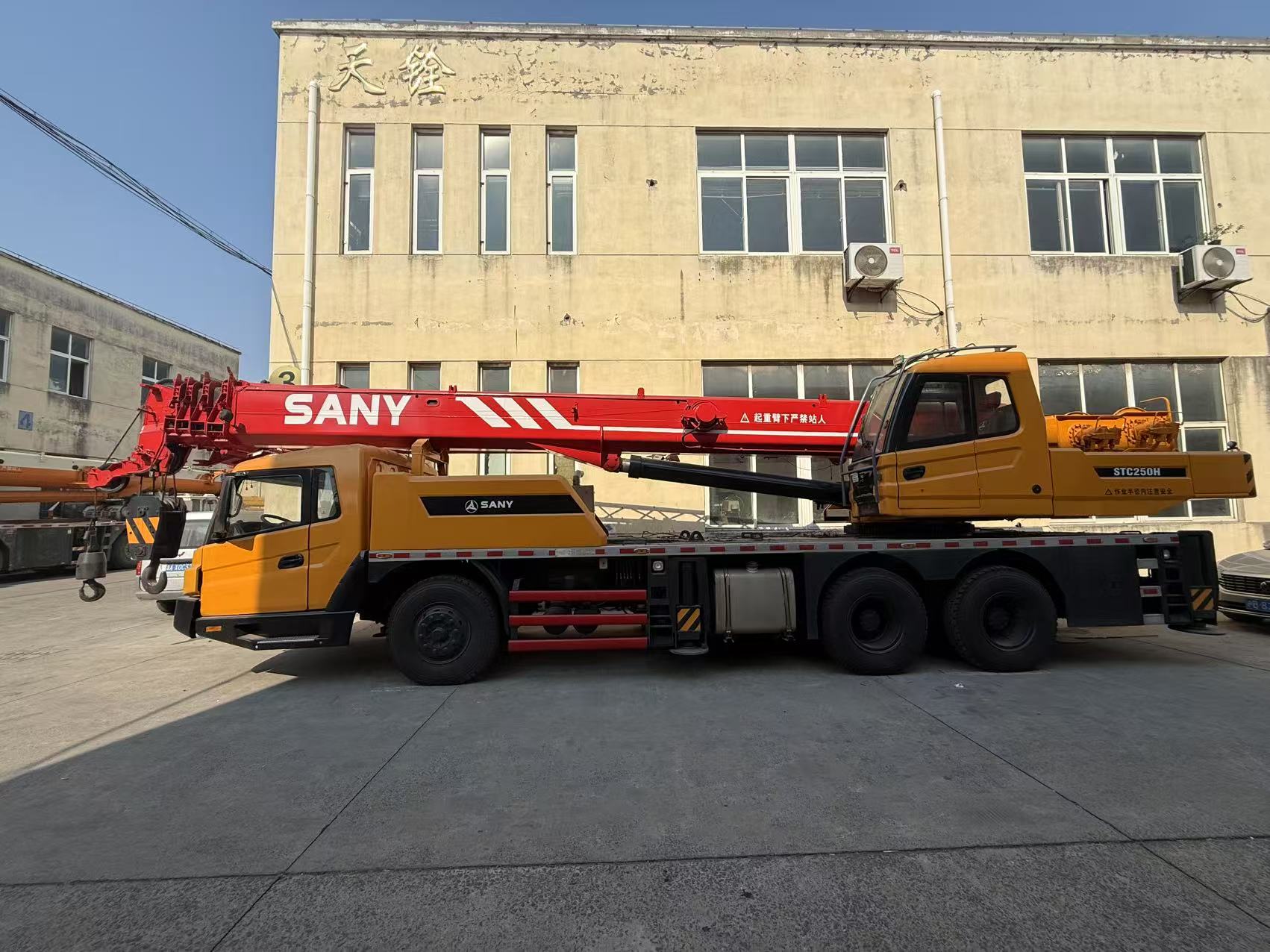
 RETURN
